PMI by X-ray fluorescence
Confirm the alloy before it goes into service
Positive Material Identification (PMI) is a non-destructive way of determining the chemical composition of metals. With materials sourced from many suppliers and countries, parts can be mixed up and cause serious problems once in service. Using X-ray fluorescence (XRF), we can quickly confirm the composition of many different metals, on site and without damaging the part.
How it works
How XRF identifies a metal
A handheld XRF analyser directs a beam of X-rays at the surface of the part. Each element in the metal responds by emitting secondary X-rays at its own characteristic energy. The analyser measures these, reports which elements are present and in what proportion, and compares the result with known alloy grades.
The test takes place on the part itself, usually after a small area is cleaned back to bare metal. XRF cannot measure light elements such as carbon reliably, so it cannot separate grades that differ only in carbon content (for example, standard and low-carbon stainless steels). Where carbon matters, a different technique such as optical emission spectroscopy is needed, and we will tell you so at the quoting stage.
Applications
When to call for PMI
Typical uses
- Checking incoming material against mill certificates and purchase specifications
- Verifying alloy pipe, fittings, flanges and valves before installation or commissioning
- Confirming replacement parts match the original material
- Sorting mixed or unmarked stock
- Checking weld metal where an alloy filler is specified
Common materials
- Stainless and duplex stainless steels
- Chrome-moly and other low-alloy steels
- Nickel alloys
- Copper alloys, including brass and bronze
- Titanium and aluminium alloys
Questions
PMI questions
Does PMI damage the part?
No. XRF analysis is non-destructive. The only preparation is usually cleaning a small spot to remove paint, coating or scale so the analyser reads the metal itself.
Does PMI replace a mill certificate?
No. A mill certificate records the manufacturer’s chemical and mechanical test results. PMI independently confirms that the part in front of you is the alloy the certificate says it is.
Talk to our team about positive material identification (PMI).
Related
More from NDT Inspection
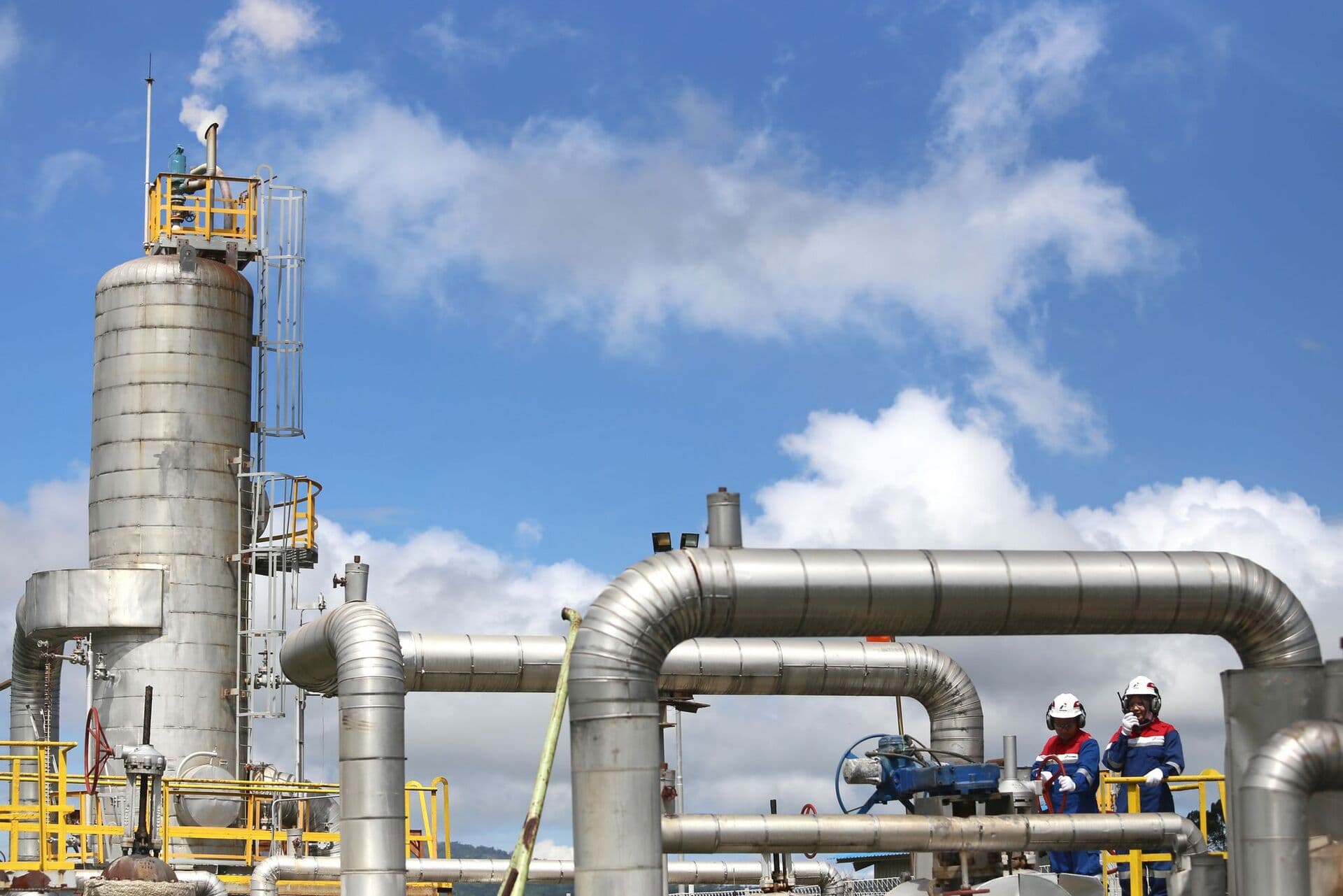
Radiographic testing (RT)
Industrial Radiography
Film and computed radiography carried out at your site, to see inside welds, castings and fabricated parts.
Learn more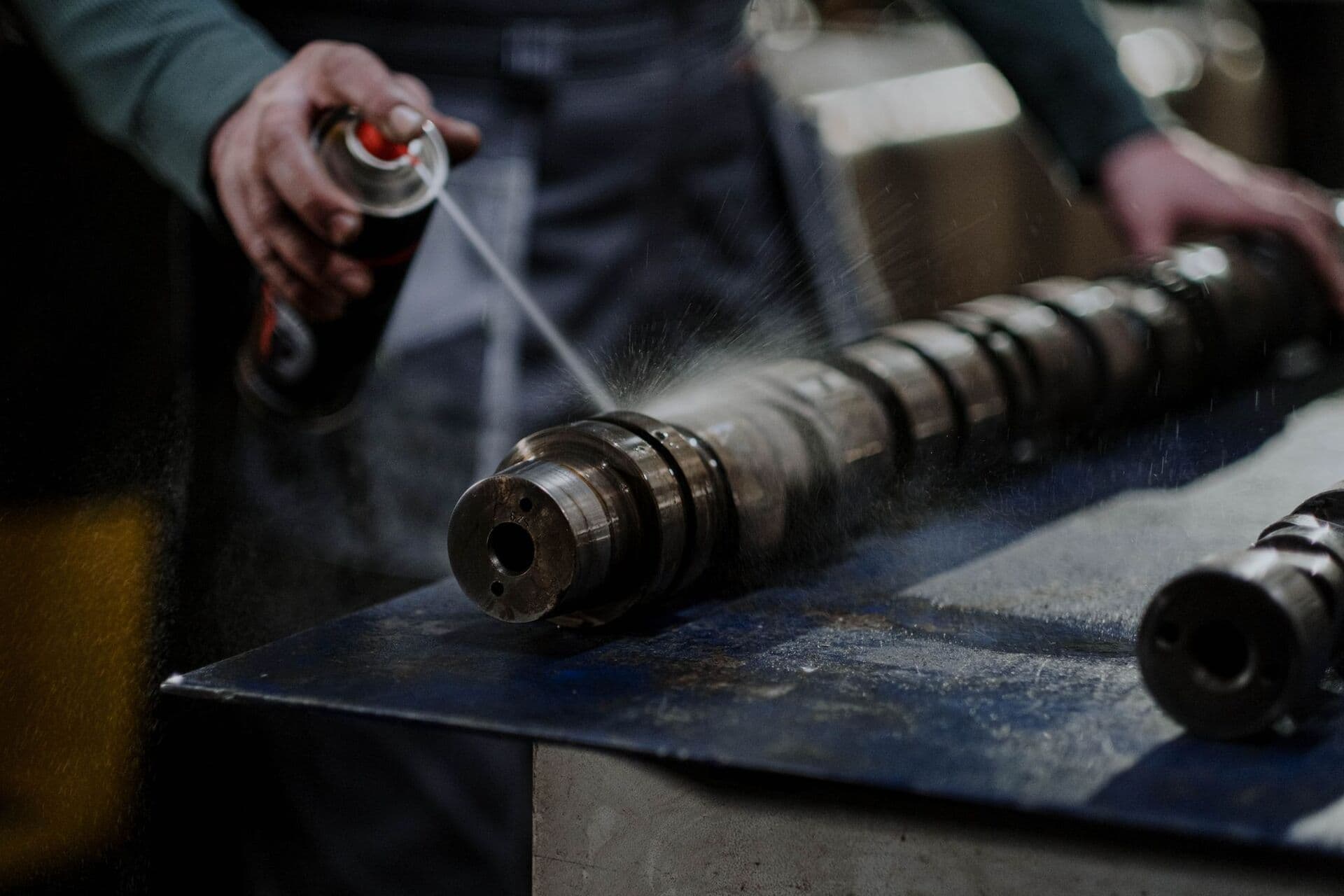
Penetrant testing (PT)
Liquid Penetrant Testing
Visible and fluorescent penetrant testing for surface-breaking flaws, including on non-magnetic metals.
Learn more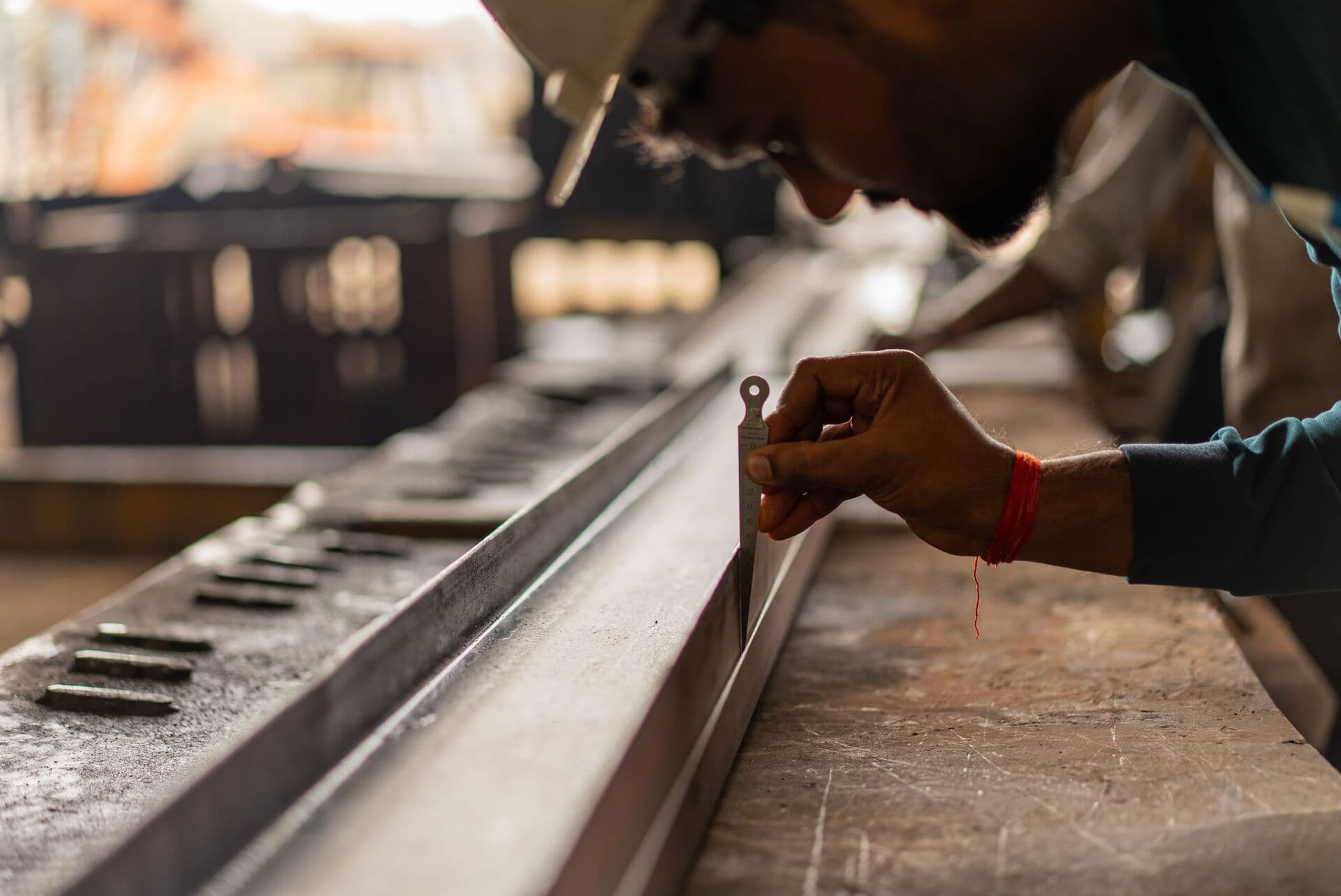
Magnetic particle testing (MT)
Magnetic Particle Inspection
Fast, sensitive crack detection in carbon and low-alloy steel, for welds, lifting gear and drill string components.
Learn more