Magnetic particle testing (MT)
Magnetic particle inspection of welds and steel parts
Magnetic particle inspection (MPI, or MT) finds surface and near-surface cracks in ferromagnetic materials such as carbon and low-alloy steels. It is quick, portable and very sensitive to fatigue cracks, which makes it a routine check for welds, lifting equipment and drill string components.
We use AC yoke equipment to test structural welds on lifting containers and baskets, and forklift tines. For drill collars, heavy-weight drill pipe and BHA tools, we use wet fluorescent magnetic particle inspection under black light on threads, upsets and critical radii.
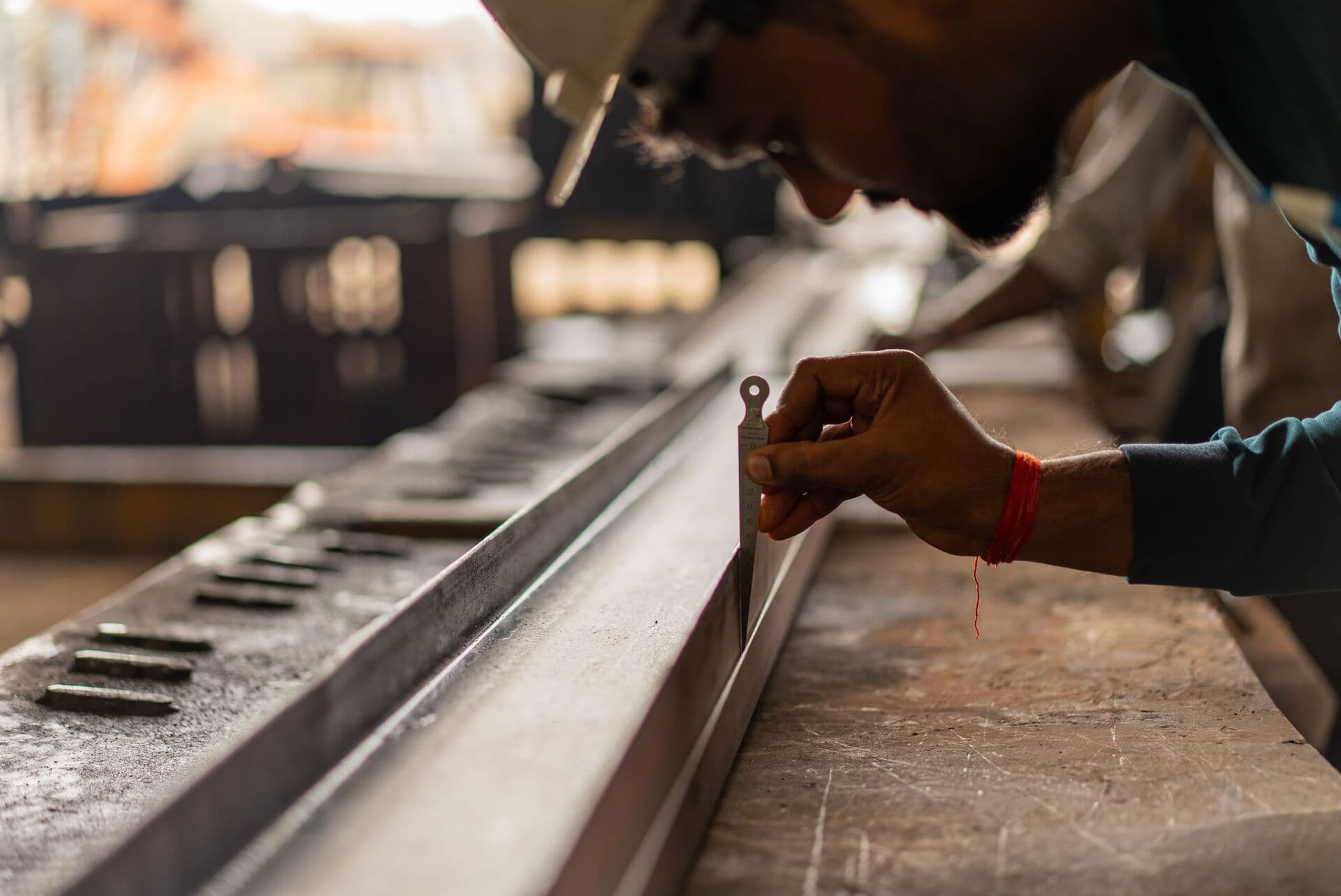
How it works
Why cracks show up under MPI
The area under test is magnetised, here with a portable AC yoke. Where a crack interrupts the magnetic field, some of the field leaks out of the surface. Fine iron particles, applied dry or suspended in a liquid, are attracted to that leakage and gather along the crack, making it visible.
A crack shows most clearly when it runs across the magnetic field, so each area is tested in two directions at right angles. Wet fluorescent particles viewed under black light give the highest sensitivity and are the usual choice for threaded connections; visible particles on a white contrast background are practical for welds in daylight.
Where we use it
Typical MPI work
- Structural welds on lifting containers and baskets
- Forklift tines, including the heel and shank
- Drill collars, HWDP, subs and BHA tools: threads, upsets and critical radii
- Welds on steel structures and fabrications
- Steel components of structures, turbines and generators
Questions
Magnetic particle questions
Which materials can be tested with MPI?
Only ferromagnetic materials, such as carbon and low-alloy steels and cast iron. Aluminium, austenitic stainless steel and other non-magnetic metals need liquid penetrant testing instead.
Does the paint have to come off?
Thick coatings reduce sensitivity, so the inspection area is usually cleaned back to bare metal. Where a thin coating is left on, its effect must be checked against the procedure and your acceptance criteria before testing.
Talk to our team about magnetic particle inspection.
Related
More from NDT Inspection
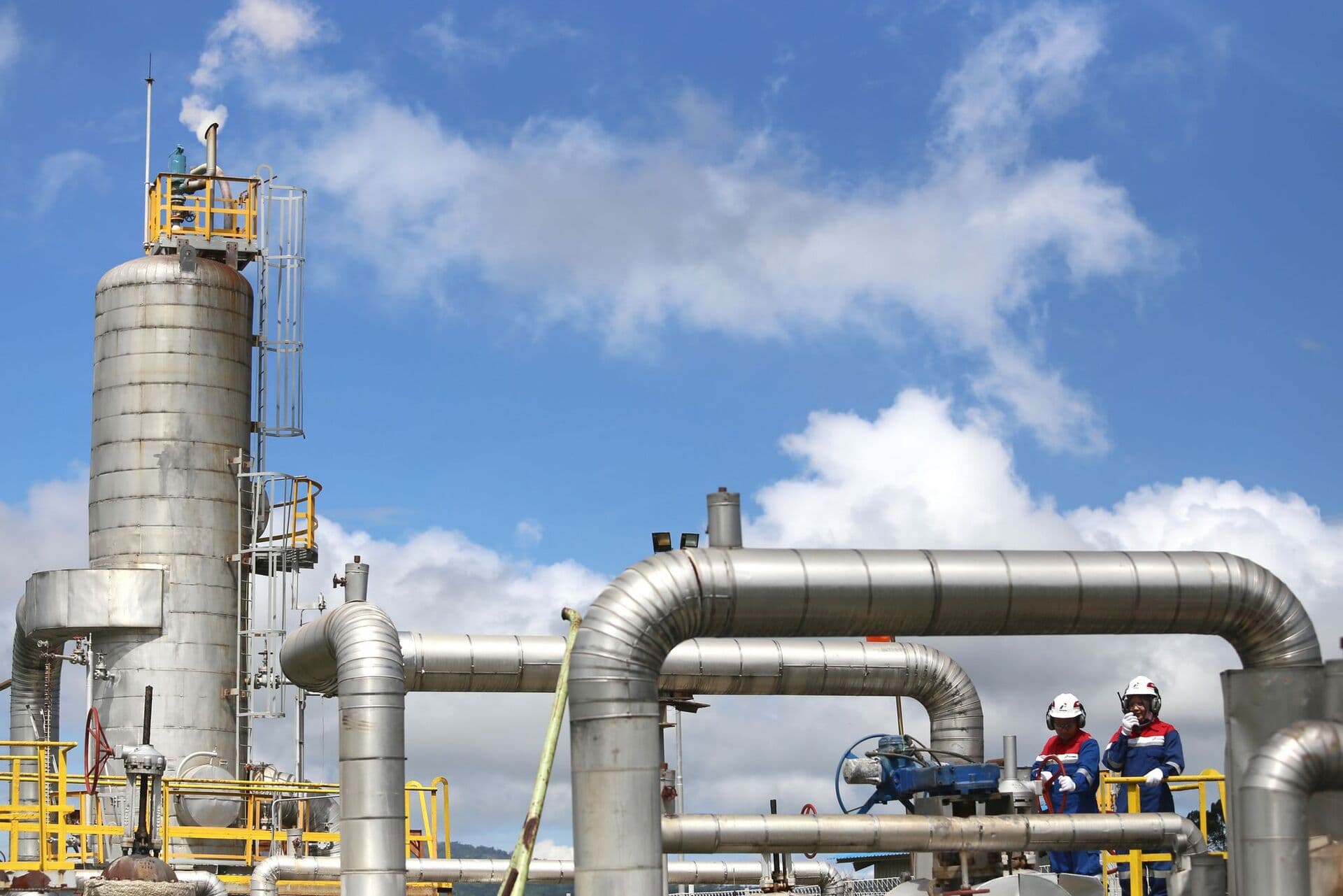
Radiographic testing (RT)
Industrial Radiography
Film and computed radiography carried out at your site, to see inside welds, castings and fabricated parts.
Learn more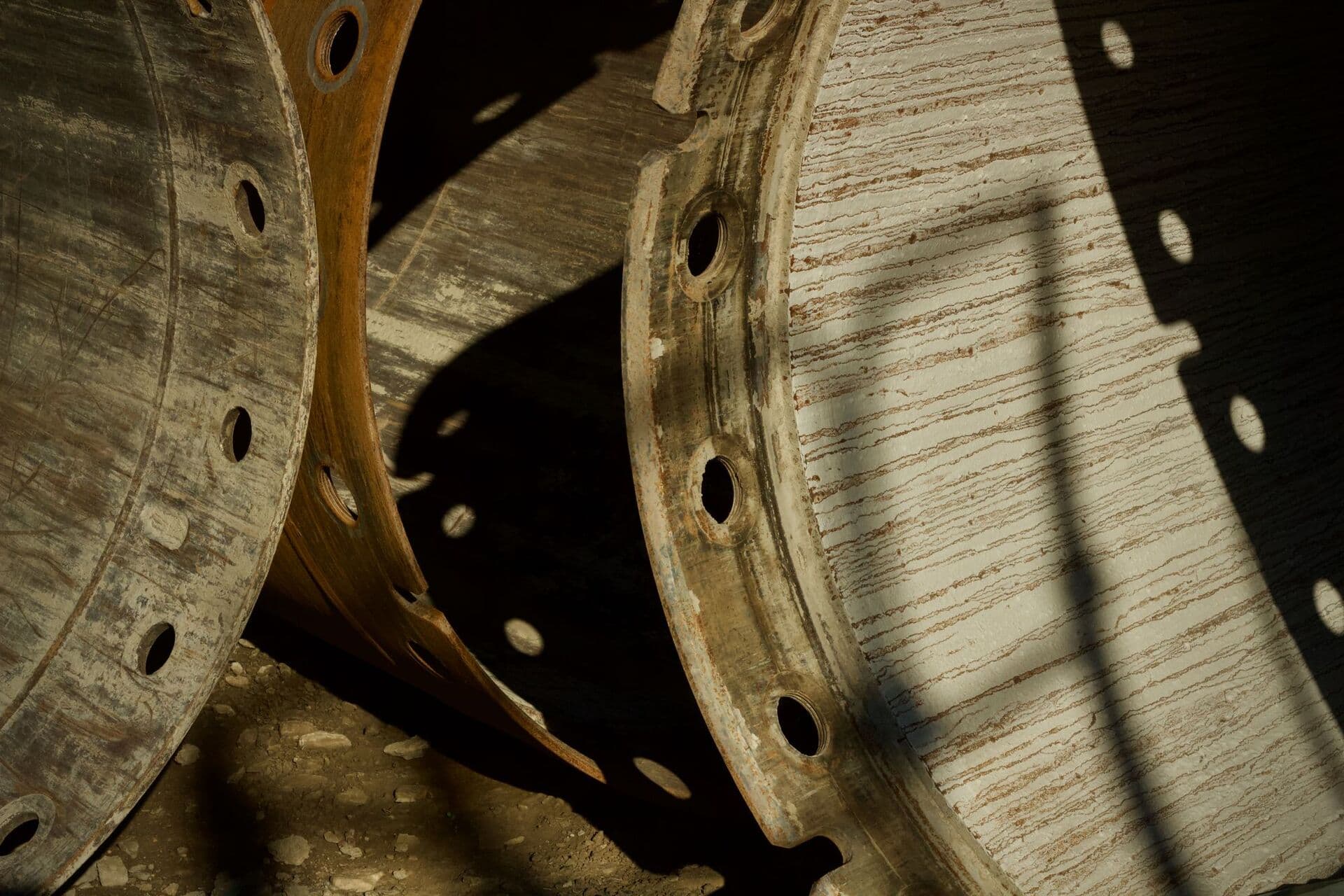
PMI by X-ray fluorescence
Positive Material Identification
Non-destructive XRF analysis that confirms the chemical composition of metals, so mixed-up materials are caught before they fail.
Learn more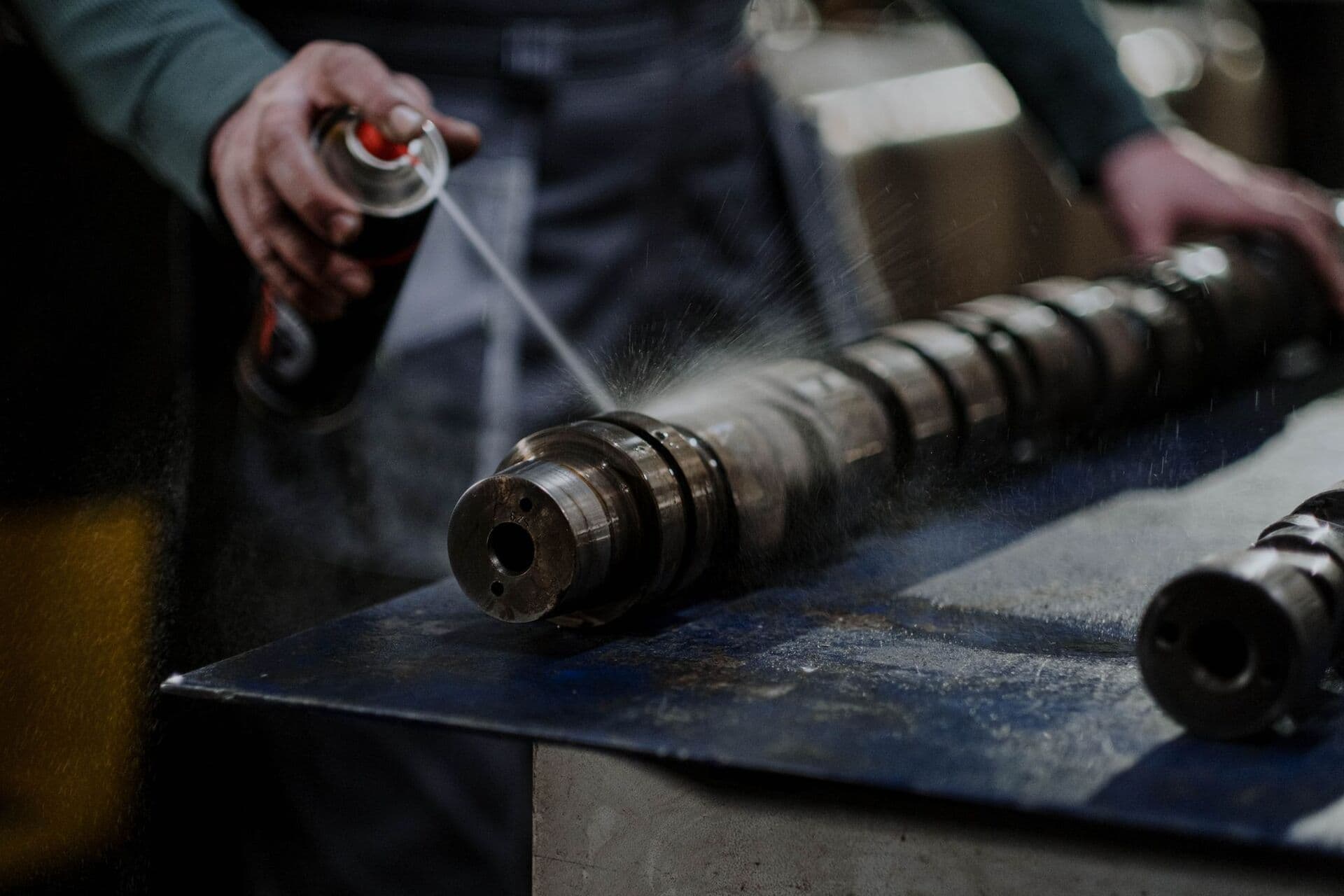
Penetrant testing (PT)
Liquid Penetrant Testing
Visible and fluorescent penetrant testing for surface-breaking flaws, including on non-magnetic metals.
Learn more