Drill pipe, casing, tubing and BHA
Drill string and tubular inspection to cut downhole failures
The purpose of inspecting new or used drill pipe is to find and evaluate manufacturing defects (new pipe) and service-induced damage from drilling operations (used pipe). Working to DS-1 or to criteria you supply, our operations staff help you choose from a range of inspections to build a programme that fits your needs and reduces the risk of a downhole failure.
- DS-1
What we inspect
Tubulars and BHA components
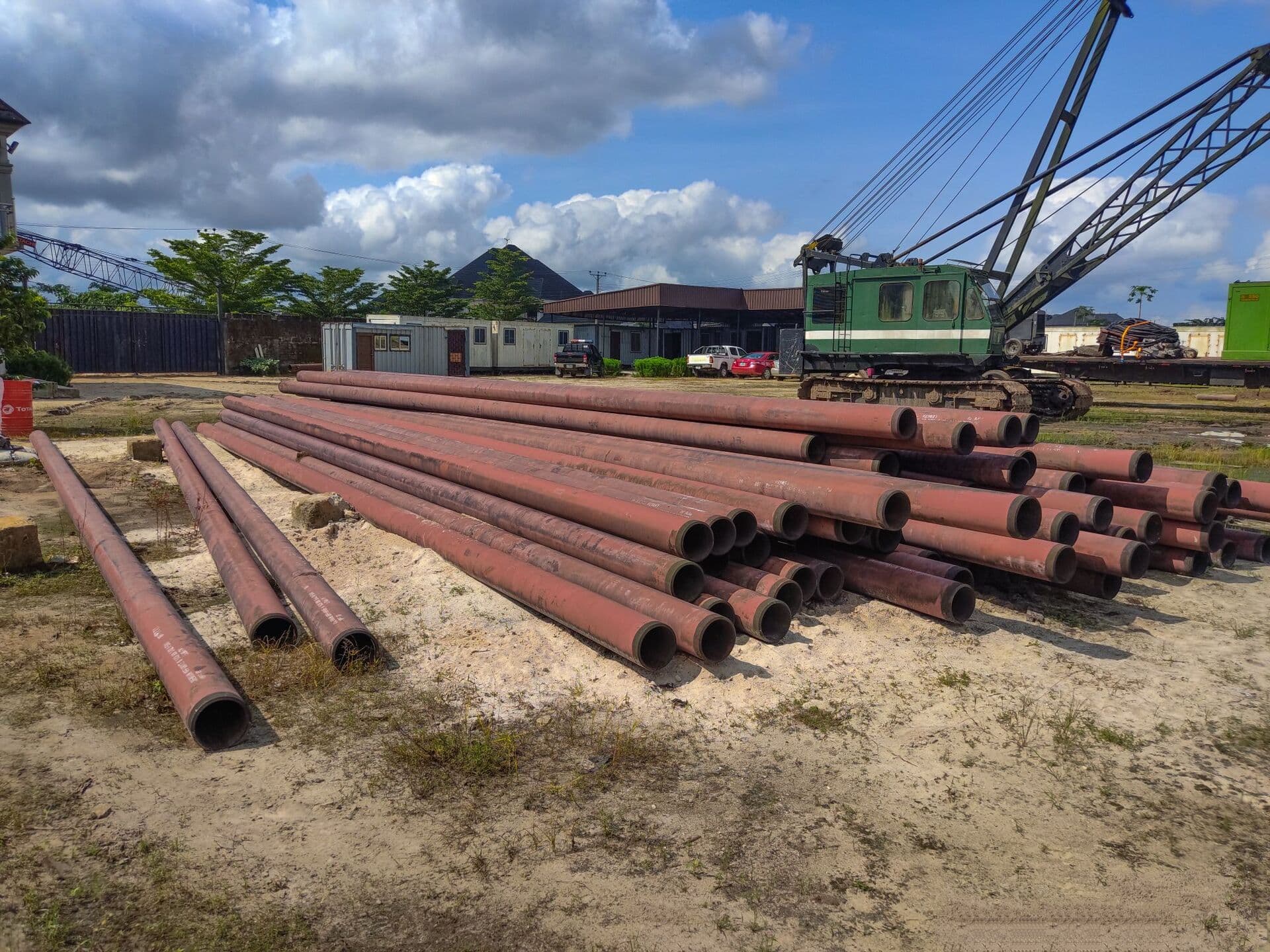
Drill pipe
New and used pipe, inspected to DS-1 or customer-supplied criteria.
- Manufacturing defects on new pipe
- Service-induced damage on used pipe
- Inspection programmes tailored to your drilling plans
Casing and tubing
A range of services to minimise tubular failures, chosen to suit the job.
- Basic visual thread and drift inspection
- API thread gauging
- Full-length Type III inspection
Drill collars, subs, kelly and BHA tools
Threads, upsets and critical radii checked regularly, as fatigue cracks can develop quickly.
- Wet fluorescent MPI (black light) for ferrous steel
- Liquid penetrant inspection for non-magnetic material
- Thread profile gauging
- Visual seal and thread inspection
- Dimensional inspection
Why it matters
Fatigue cracks grow fast downhole
Drill collars, heavy-weight drill pipe and BHA tools are under cyclic bending and torque in the hole. Cracks in threads, upsets and critical radii can start and grow in a very short time if components are not inspected regularly. A failed connection downhole means fishing operations and lost rig time, so finding cracks at surface is far cheaper.
Our qualified operators combine wet magnetic particle inspection for steel components, liquid penetrant inspection for non-magnetic collars, thread profile gauging, visual seal and thread inspection and dimensional checks, so every connection is assessed for cracks, wear and damage before it goes back into service.
Questions
Tubular inspection questions
Which inspection level do I need for casing and tubing?
It depends on the condition of the pipe and how it will be used. Options range from a basic visual thread and drift inspection, through API thread gauging, to a full-length Type III inspection. Tell us the application and history and we will recommend a level.
Can you inspect to our own acceptance criteria?
Yes. We inspect to DS-1 or to a specific criteria document you supply, and the report states which criteria were applied.
Why use penetrant on some drill collars?
Non-magnetic drill collars cannot be magnetised, so magnetic particle inspection will not work on them. Liquid penetrant inspection finds surface-breaking cracks on these instead.
Talk to our team about drill pipe or tubular inspection.
Related
More from NDT Inspection
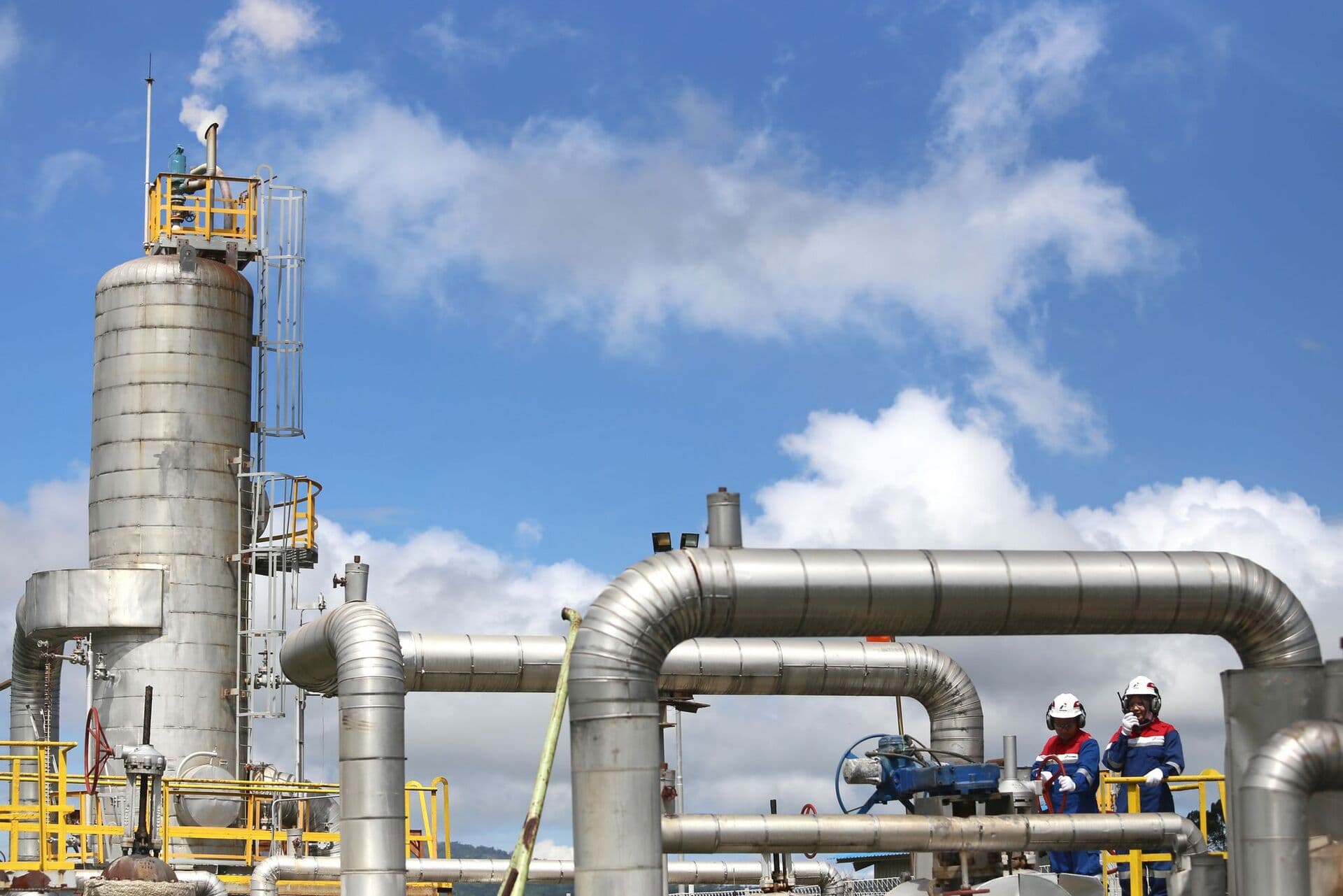
Radiographic testing (RT)
Industrial Radiography
Film and computed radiography carried out at your site, to see inside welds, castings and fabricated parts.
Learn more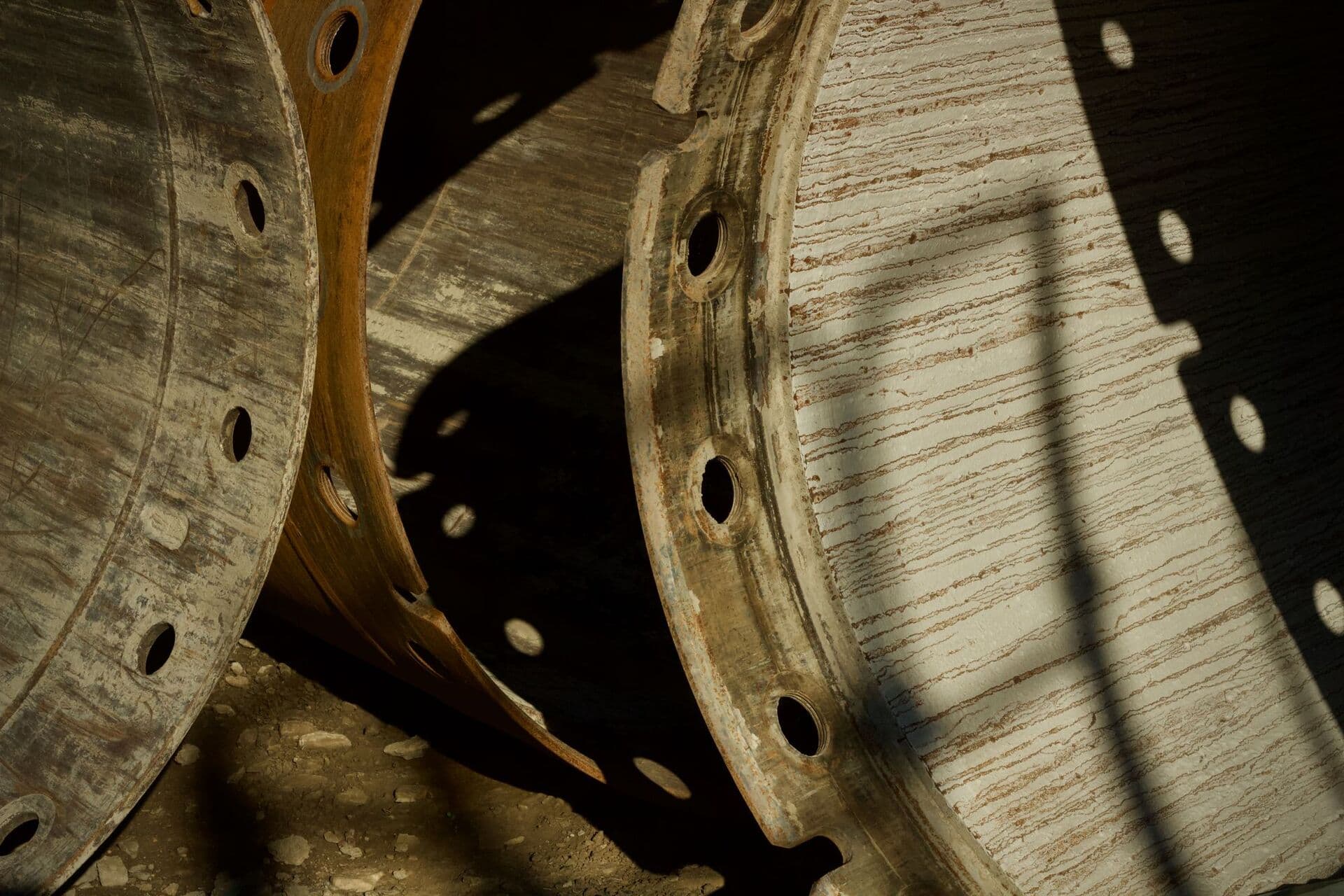
PMI by X-ray fluorescence
Positive Material Identification
Non-destructive XRF analysis that confirms the chemical composition of metals, so mixed-up materials are caught before they fail.
Learn more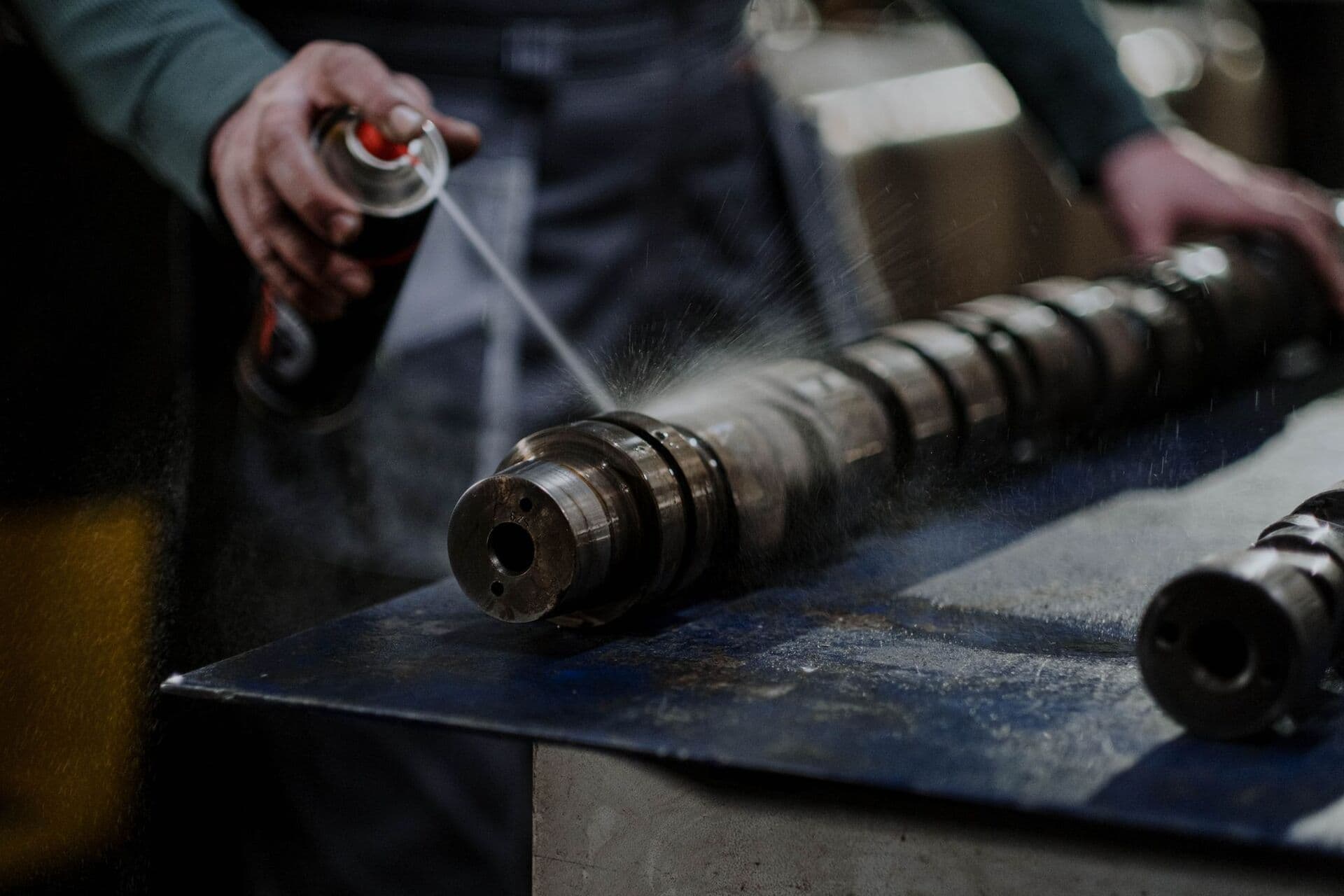
Penetrant testing (PT)
Liquid Penetrant Testing
Visible and fluorescent penetrant testing for surface-breaking flaws, including on non-magnetic metals.
Learn more