What LOLER is and why it matters in Pakistan
The Lifting Operations and Lifting Equipment Regulations 1998, known as LOLER, are UK regulations that set out how lifting equipment must be planned, used, maintained and examined. One of their central requirements is the thorough examination: a systematic and detailed examination of lifting equipment by a competent person, carried out at set intervals and recorded in a written report.
LOLER is not Pakistani law, but its examination regime is widely used as the benchmark for lifting safety. Many oil and gas operators, drilling contractors and industrial clients in Pakistan write it into their contracts and expect current LOLER reports before equipment is allowed on site. Following it also gives you a clear, defensible record if an incident is ever investigated.
What a thorough examination involves
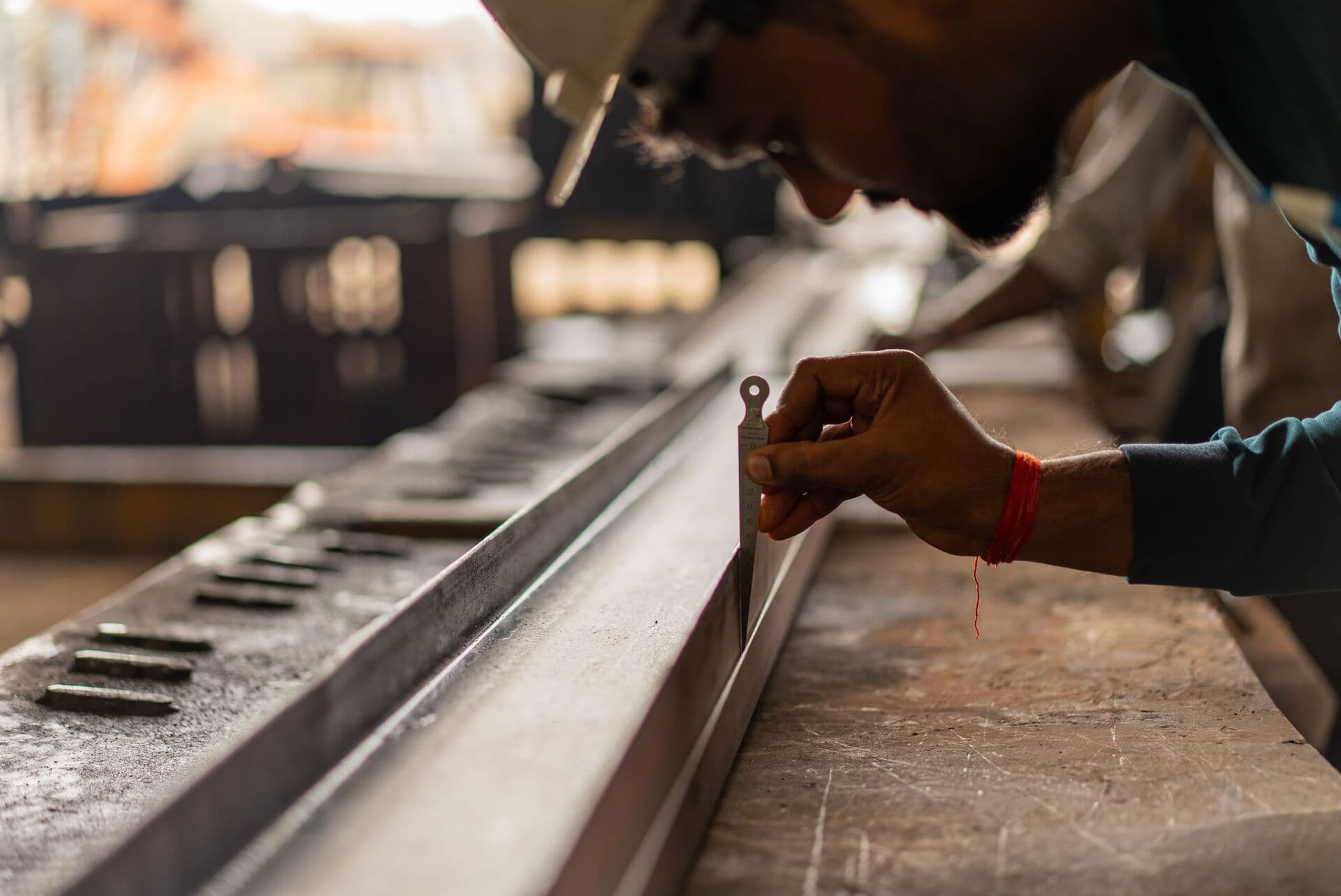
A thorough examination is more than a quick look. The competent person examines the equipment closely enough to detect defects that are, or could become, dangerous: wear, deformation, cracks, corrosion, damaged fittings, faulty safety devices, and missing or illegible markings. Depending on the equipment, this can involve dismantling parts, measuring wear against discard limits, functional checks, non-destructive testing such as magnetic particle inspection, and load testing.
Load testing is not automatically part of every examination. The competent person decides what is needed to be satisfied that the equipment will remain safe until the next examination. That person must have enough practical and theoretical knowledge and experience of the equipment to find defects and judge how serious they are, and should be independent and impartial enough to make objective decisions.
A thorough examination is also different from the checks your own people should be doing. Operators should carry out pre-use checks every time, and some equipment needs regular inspections between thorough examinations. The thorough examination does not replace either of these.
Equipment covered by LOLER
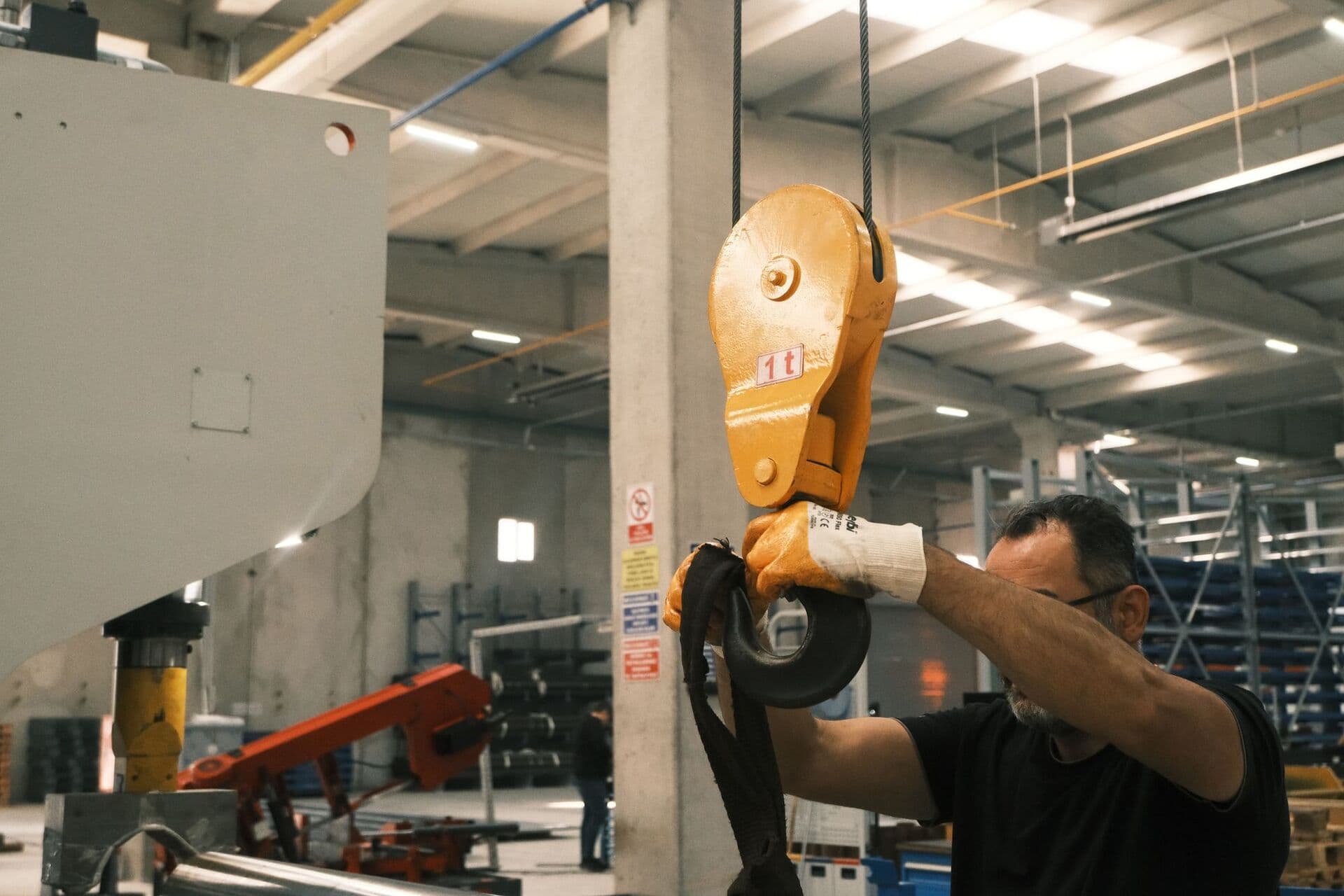
LOLER applies to equipment used at work for lifting or lowering loads, and to the accessories used to attach the load. In practice this includes:
Lifting equipment
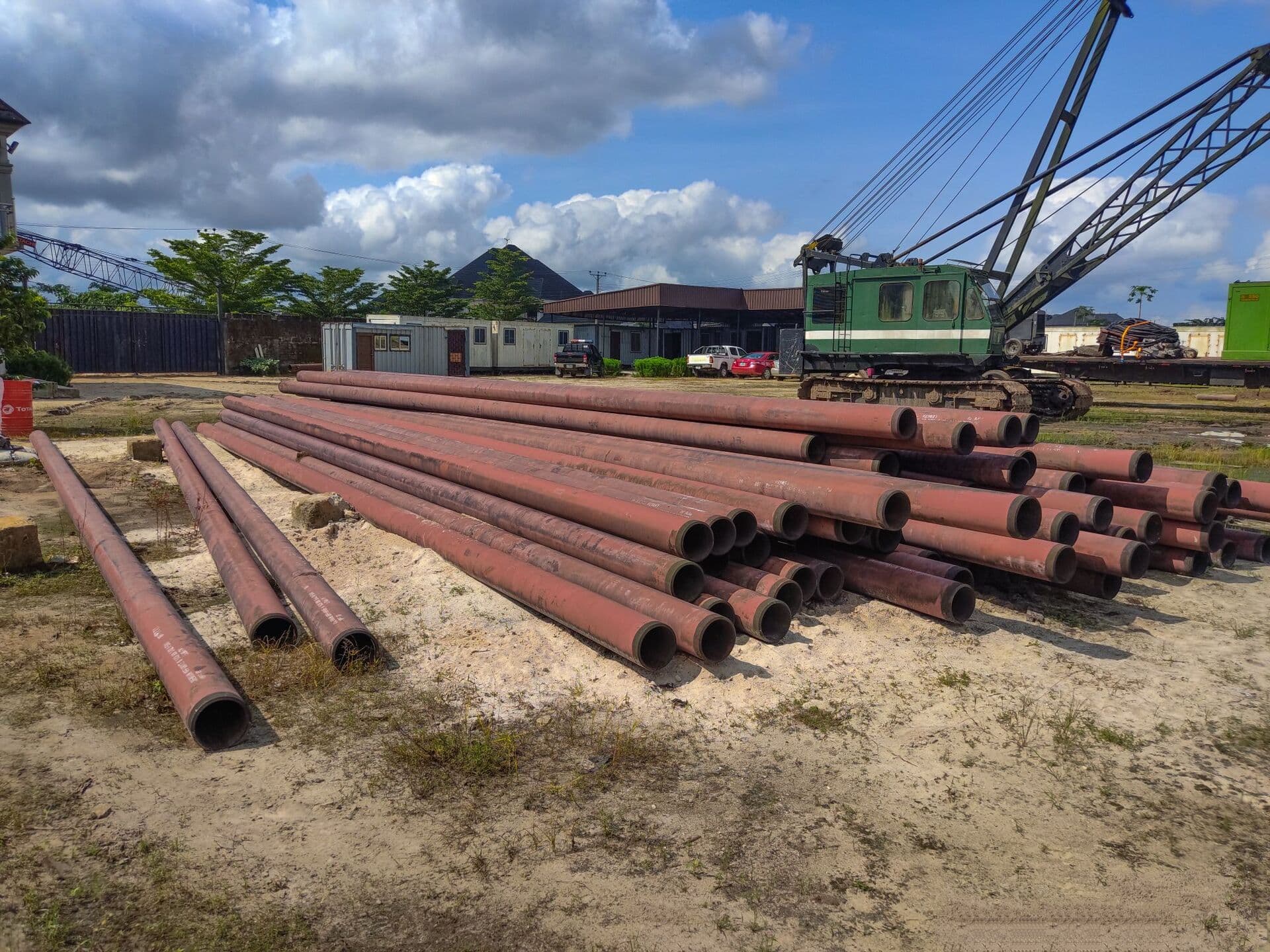
- Mobile, overhead, gantry and tower cranes
- Forklift trucks and telehandlers
- Hoists, winches and chain blocks
- Vehicle-mounted cranes, recovery vehicles and tail lifts
- Mobile elevating work platforms and other equipment that lifts people
- Passenger and goods lifts
- Excavators and loaders when they are used for lifting
Lifting accessories
- Wire rope, chain and webbing slings, and round slings
- Shackles, hooks, eyebolts and master links
- Lifting beams, spreader bars and frames
- Plate clamps, lifting magnets and vacuum lifters
- Lifting points and attachments on offshore containers and baskets
How often a thorough examination is due
Besides the periodic interval, LOLER requires a thorough examination before first use (unless the equipment is new, supplied with a valid declaration of conformity, and its safety does not depend on how it is installed), after installation or assembly at a new location where safety depends on the installation, and after exceptional circumstances such as damage, an accident, a long period out of use or a major alteration. The periodic intervals are:
| Equipment | Maximum interval |
|---|---|
| Lifting accessories, such as slings, shackles, hooks and eyebolts | 6 months |
| Lifting equipment used to lift people | 6 months |
| All other lifting equipment | 12 months |
| Equipment covered by a written scheme of examination | As set in the scheme |
What the examination report must contain
Schedule 1 of LOLER lists the information a report of thorough examination must contain. In summary:
- The name and address of the employer, and the address of the premises where the examination took place
- Details that identify the equipment, such as its description, serial or identification number and, where known, its date of manufacture
- The safe working load, or the safe working load for the configuration examined where it varies
- The date of the last thorough examination
- Why the examination was carried out: first use, installation, periodic interval, written scheme or exceptional circumstances
- Whether the equipment is safe to operate
- Any defect that is or could become a danger, the repair, renewal or alteration needed, and by when
- Details of any tests carried out
- The latest date for the next thorough examination
- The name, address and qualifications of the person making the report, and the date of the report
Acting on defects and keeping records
If a defect involves an existing or imminent risk of serious injury, our inspector tells you immediately, and the equipment should not be used again until it has been repaired or replaced. Defects that are not yet dangerous are listed in the report with a timescale for the work, and the equipment must be put right within it.
LOLER sets minimum periods for keeping reports. In practice, keep every periodic report and every lifting accessory report for at least two years and until the next one replaces it, and keep the report of examination before first use for as long as you use the equipment. A simple register listing each item, its identification number and its next examination date makes audits far easier.
Checking an SSPL examination certificate online
Every SSPL report and certificate can be checked on our website, so anyone accepting the equipment can confirm it is genuine.
01
Find the certificate number
Each SSPL report and certificate carries a unique number printed on the document, for example SSPL-PC-004-10-2026.
02
Open the verification page
Go to steinolsolutions.com/verify and type the number, or scan the QR code if your certificate has one.
03
Compare the details
Check the status, and check that the equipment description, identification number and dates match the item in front of you and the copy you were given.