Technical surveillance countermeasures
Bug sweeps that protect confidential conversations
In an increasingly connected world, protecting sensitive information and privacy is a top priority for individuals and organisations alike. Bug sweep detection, also known as electronic eavesdropping detection or technical surveillance countermeasures (TSCM), identifies and mitigates threats to confidential conversations and data.
A bug sweep looks for hidden listening devices, concealed cameras and wireless transmitters. It is essential for maintaining the security of sensitive environments in corporate, government and other high-security settings.

Why it matters
Where eavesdropping risks come from
Surveillance devices are small, inexpensive and easy to conceal. They can be hidden in light fittings, furniture, power sockets, electrical equipment or items brought into a room. Some transmit by radio, some record for later collection, and some use the mobile network, so a device can be in place long before anyone suspects it.
Organisations typically ask for a sweep before sensitive meetings or negotiations, after renovation work or visits by outside contractors, when moving into new premises, or when confidential information appears to be leaking.
Scope
What we detect and cover
- Electronic device detection: hidden listening devices and transmitters
- RF signal analysis: identifying unexplained radio transmissions in the area
- Hidden camera sweeps: concealed cameras and recording devices
- Corporate boardroom audits: meeting rooms and executive offices
- Confidential reporting: findings and recommendations shared only with you
How a sweep works
A discreet process from first contact to report
01
Confidential enquiry
Contact us from a phone and location away from the area you are concerned about, and keep the number of people who know about the sweep to a minimum.
02
Scoping
We agree the rooms or areas to be covered, a suitable time, and who on site needs to be aware.
03
Sweep
A physical and electronic search of the agreed areas for listening devices, cameras and transmitters.
04
Confidential report
Findings and recommendations are reported to the person who commissioned the sweep.
Discretion
Confidential from start to finish
A sweep is only useful if it stays private. If the person who planted a device learns that a sweep is planned, the device can be removed or switched off beforehand. That is why we keep the details of every enquiry, site and finding confidential, and why we ask you to limit who knows about the work.
Our report goes to the person who commissioned the sweep. If a device is found, we explain the options with you before anything is touched, so you can decide how to proceed.
Questions
Frequently asked questions
What is TSCM?
TSCM stands for technical surveillance countermeasures. It is the process of searching a space for hidden listening devices, cameras and transmitters, and of identifying threats to confidential conversations and data.
How should I contact you about a sweep?
Use a phone and location away from the area you are concerned about, and avoid discussing the sweep inside the rooms to be checked. Share the plan only with people who need to know.
Who receives the findings?
The findings are reported confidentially to the person who commissioned the sweep. We do not share details of the enquiry, the site or the results with anyone else.
What happens if you find a device?
We tell you what was found and where, and discuss the options with you before anything is removed, so you can decide how to proceed.
Concerned that a meeting room or office is not private? Contact us discreetly to arrange a sweep.
Industries
Related services
You may also need

Artificial intelligence
AI Solutions
Practical AI that saves time and finds problems people miss: defect detection, predictive maintenance, chatbots, document reading and forecasting.
Learn more
Mobile and web
App Development
Custom Android, iOS and web apps built around how your business and your field teams actually work, with maintenance and ongoing support.
Learn more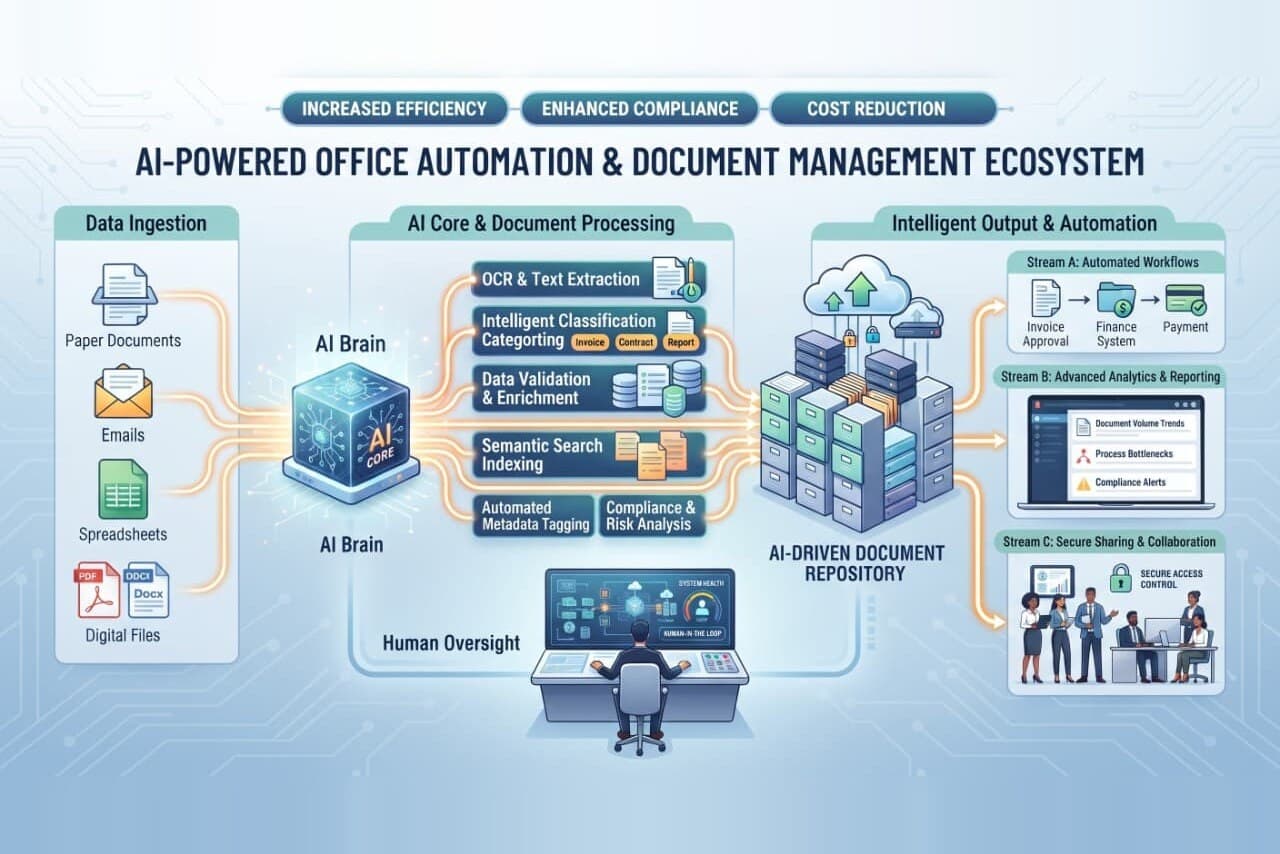
Office automation
Document Management & Office Automation
An AI-powered system that reads, sorts and files your documents, finds any file from a plain-language question, and automates routine office tasks.
Learn more