Upstream and oilfield services
Inspection and compliance for oil and gas operations
Oil and gas is where Steinol Solutions started, and it is still the core of our inspection work. We inspect drill pipe, casing, tubing and bottom-hole assembly tools, examine lifting equipment on rigs and in yards, calibrate the gauges and instruments crews rely on, and carry out pre-shipment and post-shipment inspection of equipment moving between bases and well sites.
Operators, drilling contractors and service companies work to tight schedules and strict contract requirements. A failed connection downhole or an uncertified sling on the rig floor costs far more than the inspection that would have caught it. We work to your specification and issue certificates and reports that stand up to an operator audit.
The pressures
What oilfield operations have to control
Safety and integrity
- Downhole failures caused by fatigue cracks in threads, upsets and drill collar connections
- Lifting operations on the rig floor, the pipe deck and in base yards
- Wear and corrosion inside pipework, vessels and tubes that cannot be seen from outside
- Gauges and test instruments drifting out of tolerance
Contract and regulatory demands
- Current inspection and examination certificates before equipment is accepted on site
- Pre-mobilisation and audit checks by operators and their HSE teams
- Licensed handling and disposal of petroleum waste and other hazardous waste
- Emission, noise and effluent limits under the National Environmental Quality Standards (NEQS)
How we help
Oilfield services from one inspection company
Tubulars
Oilfield tubular inspection
New and used drill pipe, casing, tubing, drill collars, HWDP, subs, kellys and BHA tools, inspected to DS-1, API or your own acceptance criteria.
- Visual thread and drift inspection
- API thread gauging and thread profile checks
- Wet fluorescent magnetic particle inspection of ferrous connections
- Liquid penetrant inspection of non-magnetic components
Lifting
Lifting equipment examination
Thorough examination to LOLER 1998 of cranes, forklifts, winches and the slings, chains, shackles and hooks used with them.
- Periodic thorough examination with a report for each item
- Examination before first use and after repair
- Clear identification of defects and the action needed
Calibration
Instrument calibration
Calibration of pressure gauges, pit gauges, coating thickness gauges, vernier calipers, thermometers and surface profile gauges against traceable standards.
- A certificate for every instrument, verifiable online
Environment
Environmental compliance
KP-EPA certified handling of petroleum and other hazardous waste, and certified laboratory testing of emissions, noise and water.
- Waste transport with manifests and disposal certificates
- Generator and engine exhaust emission testing
- Noise surveys at camps, rigs and plants
Shipments and hidden damage
Pre-shipment checks and internal inspection
Before equipment leaves a yard, or once it arrives at site, we inspect it and record its condition, so questions about damage or missing items are settled by evidence rather than argument.
Where damage is hidden inside pipework, vessels, boiler tubes or engines, we use borescopes and video inspection to see it without dismantling, and NDT methods such as radiography, PMI, magnetic particle and penetrant testing to confirm what we find. Vibration analysis of pumps, compressors and generators helps you plan maintenance before a failure stops the operation.
Questions
Oil and gas inspection questions
Do you inspect to DS-1 or to our own specification?
Either. We inspect drill stem components to DS-1 or API requirements, or to criteria supplied by the operator or rental company. Tell us the standard and inspection level in your contract and we will plan the inspection to match it.
Can you inspect at the rig site as well as in a yard?
Yes. Our inspection, examination and calibration services can be carried out at your site, whether that is a base yard, a workshop or a well site. Access, power and safety requirements are agreed before mobilisation.
How do operators check that your certificates are genuine?
Every certificate carries a unique number that can be checked at steinolsolutions.com/verify. Newer certificates also carry a QR code that opens the record directly.
Services for oil and gas
Where we can help
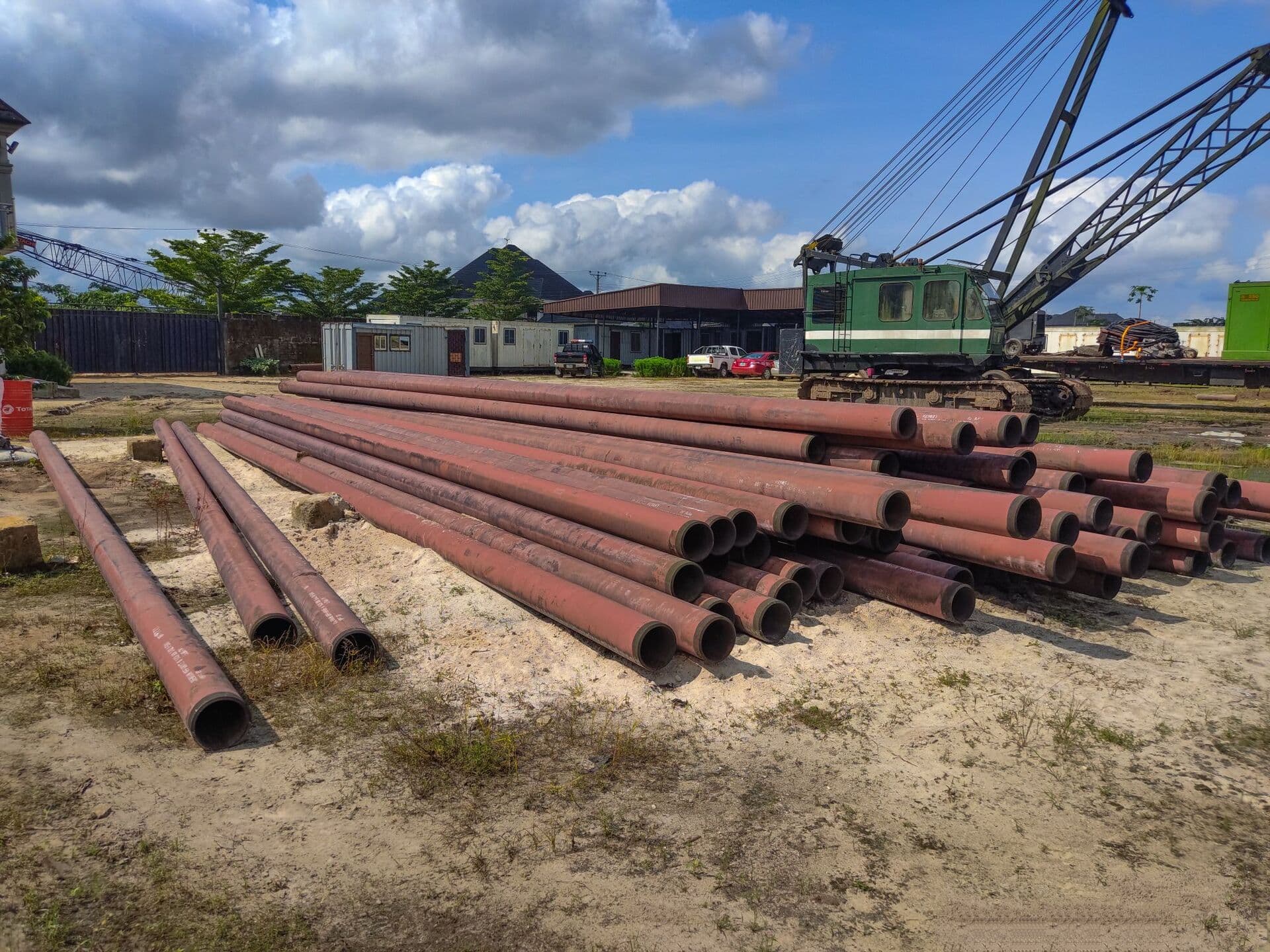
Drill pipe, casing, tubing and BHA
Oilfield Tubular Inspection
Inspection of new and used drill pipe, casing, tubing and BHA components, to DS-1 or your own criteria.
Learn more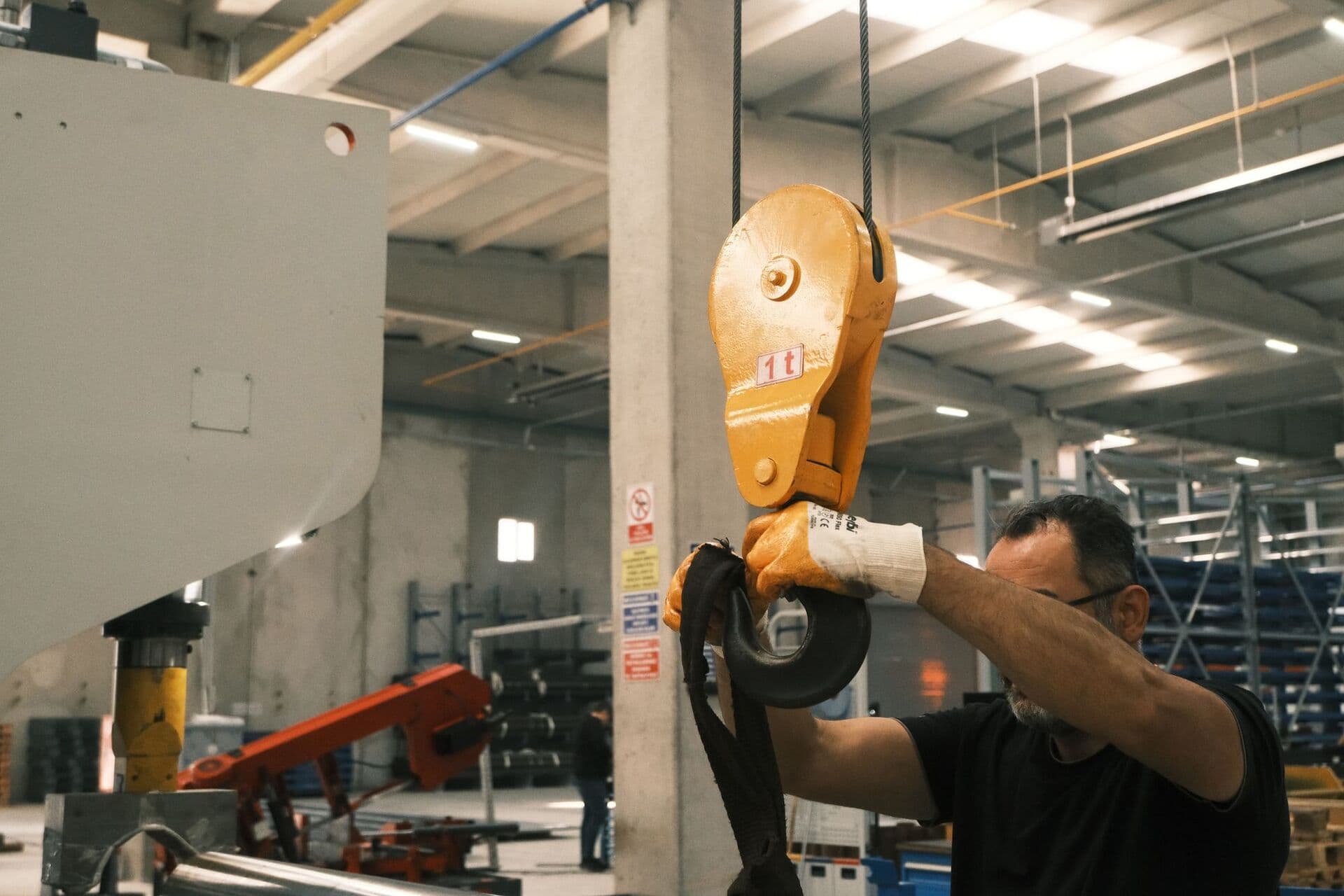
LOLER thorough examination
Lifting Equipment Inspection
LOLER thorough examination of lifting equipment and accessories, plus rigger and operator certification, with verifiable certificates.
Learn more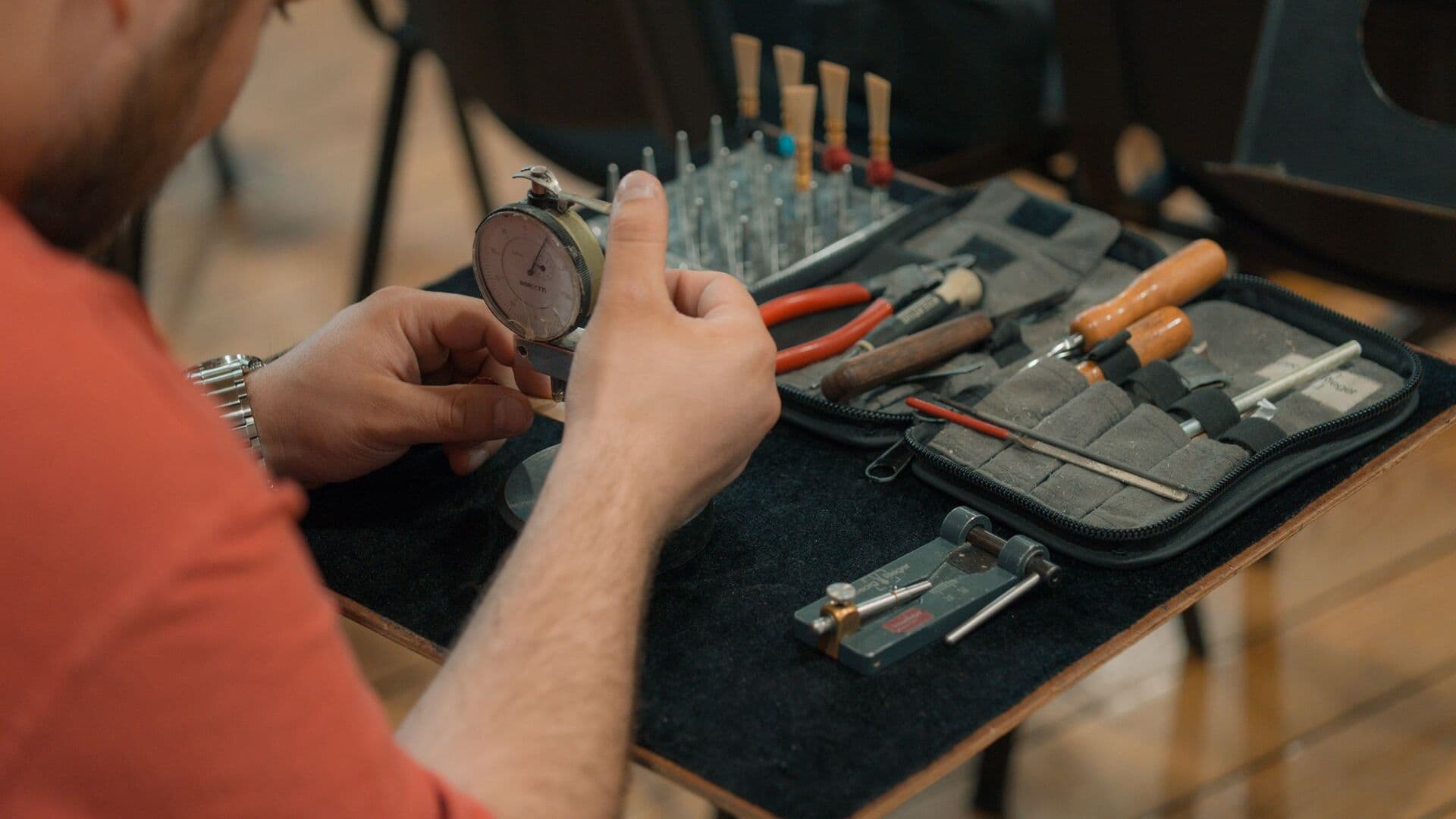
Instrument calibration
Calibration
Calibration of pressure, dimensional, coating and temperature instruments against traceable standards, with verifiable certificates.
Learn more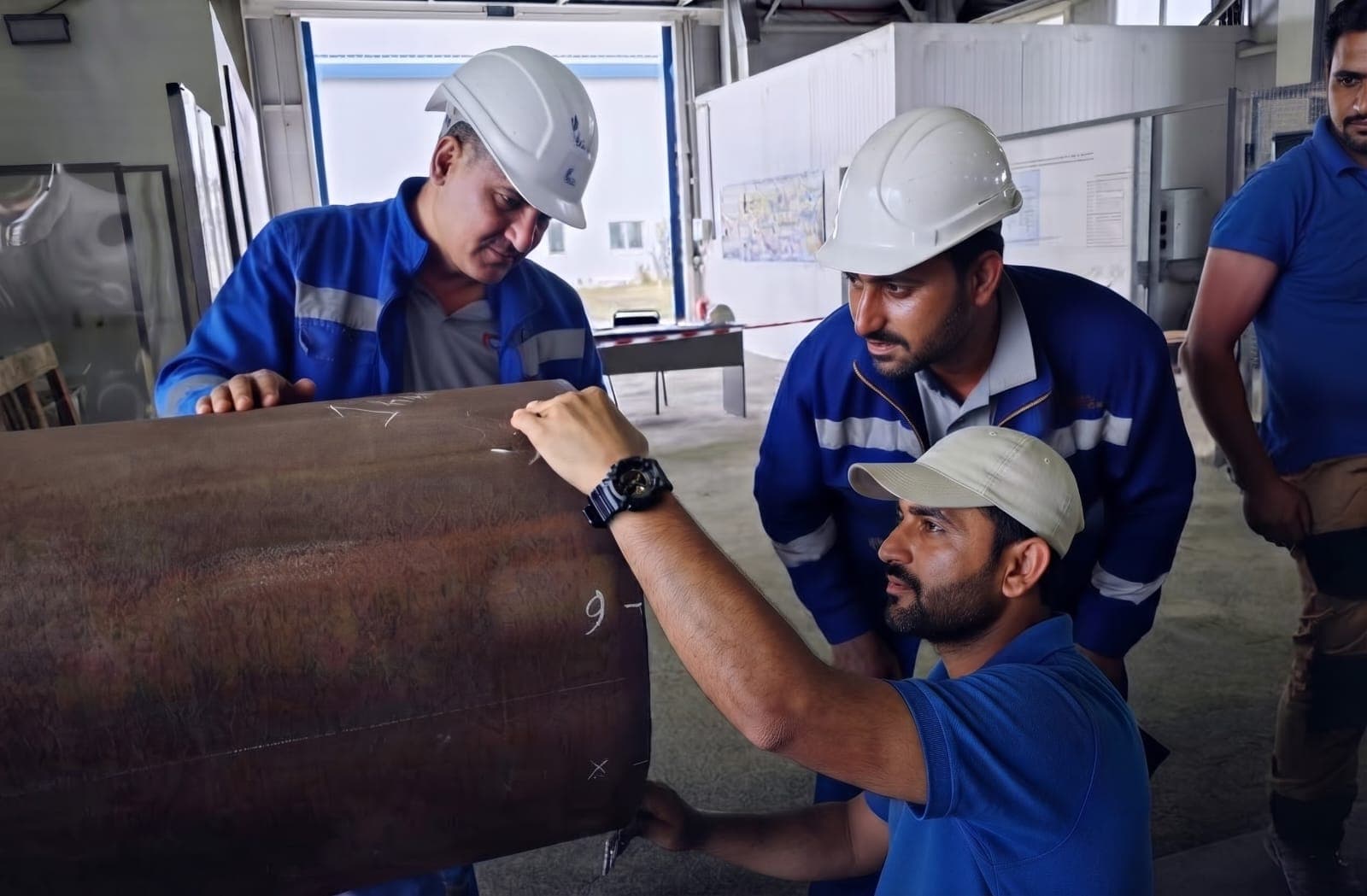
Non-destructive testing
NDT Inspection
Radiography, PMI, penetrant and magnetic particle testing, oilfield tubular inspection and calibration, carried out at your site.
Learn more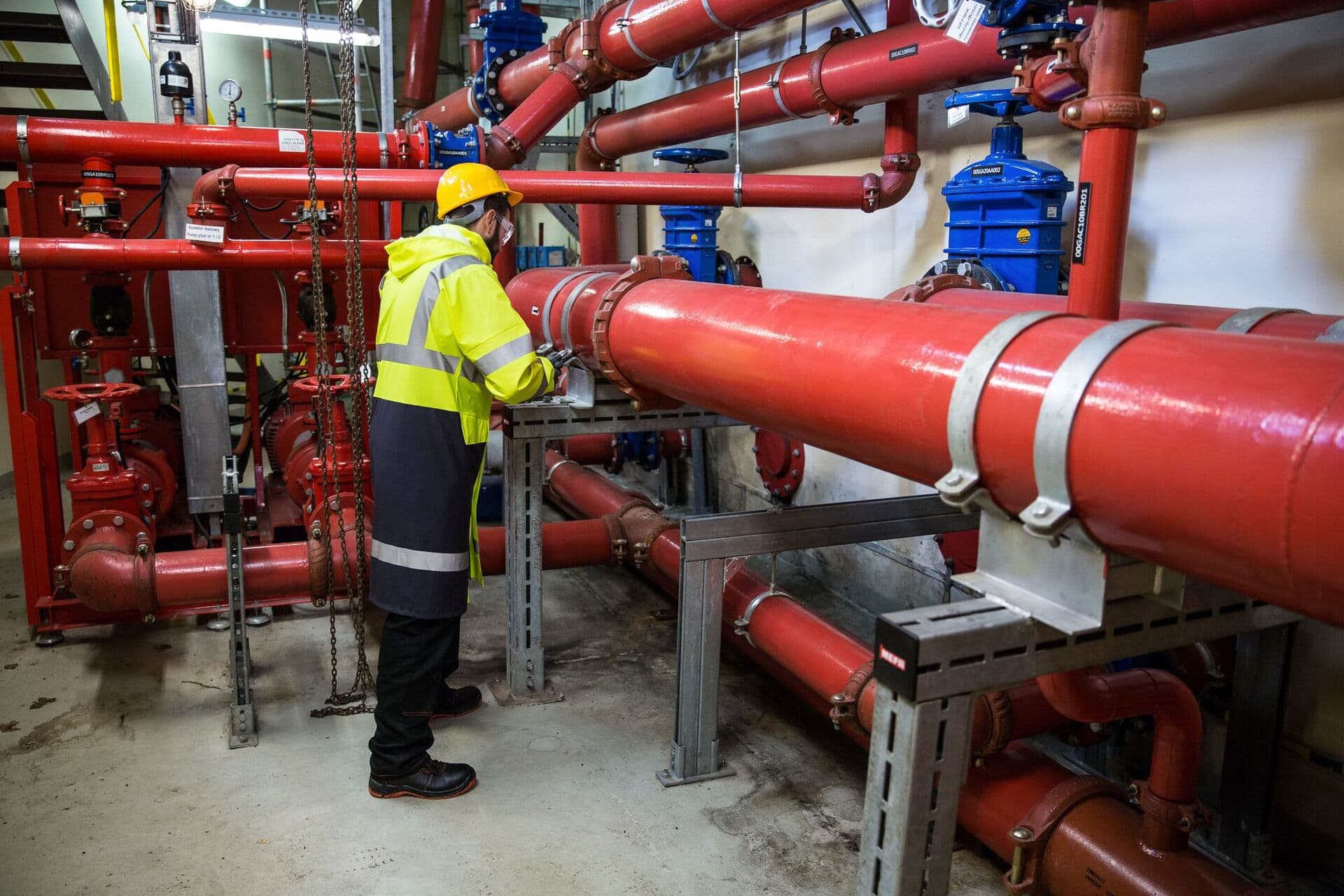
Pipelines, tubes and engines
Pipeline and Engine Borescope Inspection
Internal visual inspection of water, oil, gas and process pipelines, tubes and vessels where access is limited.
Learn more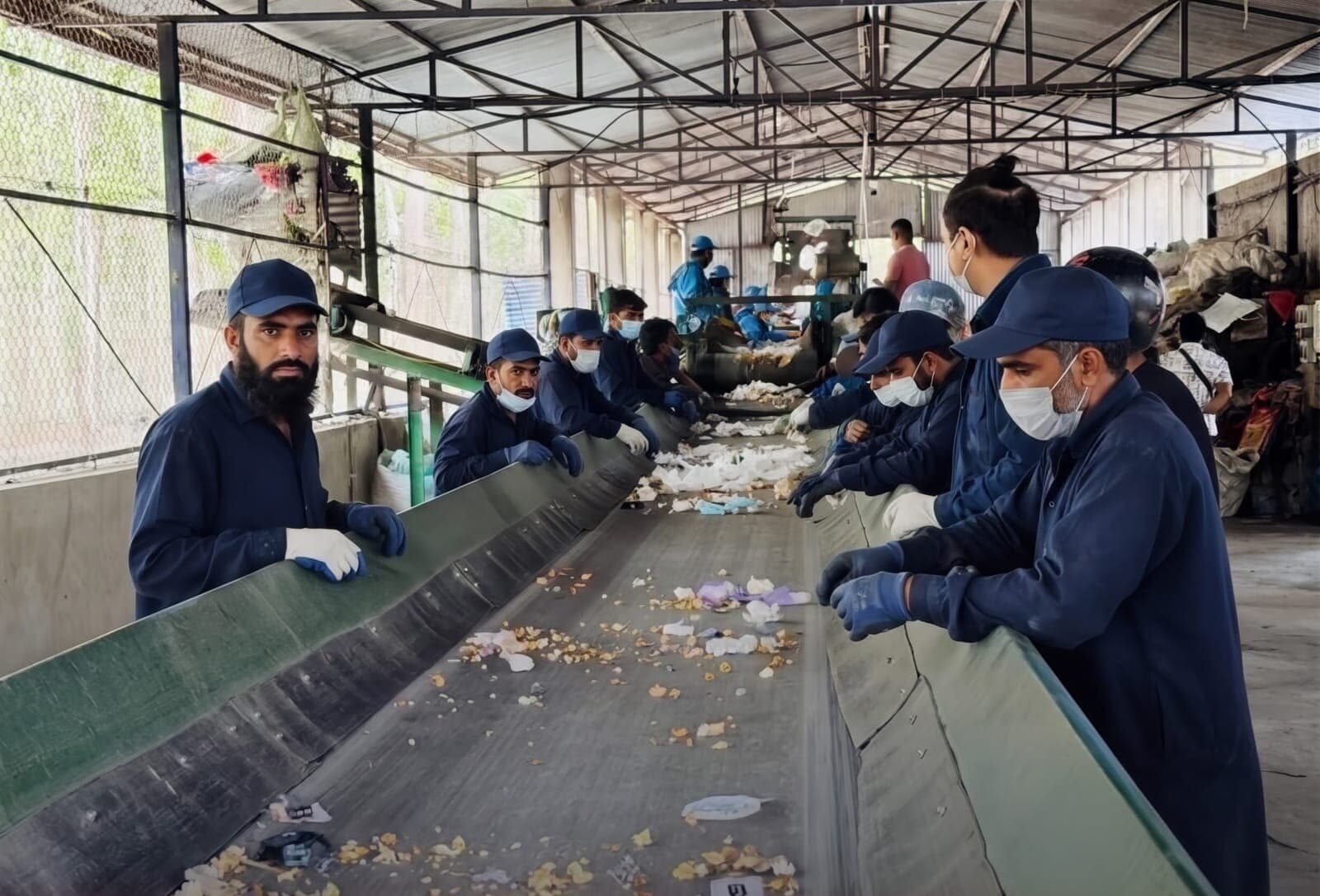
KP-EPA certified
Waste Management
Certified by KP-EPA for transportation, handling, treatment and recycling of hazardous and non-hazardous waste.
Learn more
Certified laboratory
Environmental Testing and Monitoring
Testing by our KP-EPA and Pak-EPA certified laboratory, reported against NEQS limits.
Learn more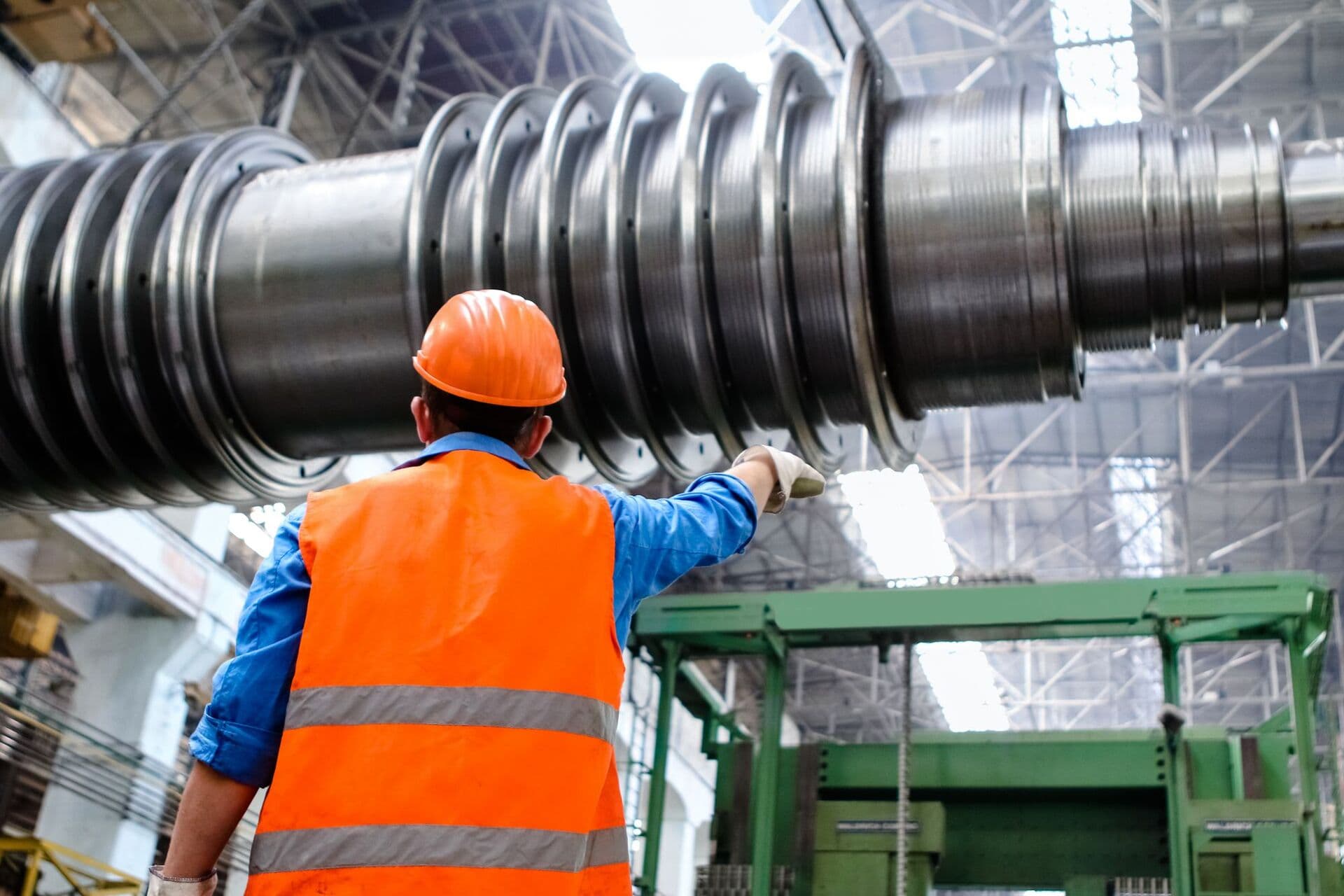
Condition monitoring
Vibration Analysis
Measure and analyse machinery vibration to judge machine health, on an as-needed call-out or as a Predictive Maintenance Programme.
Learn more
HSE training
Defensive Driving Training
Classroom and on-road defensive driving courses for oil and gas, industrial and corporate fleets, with a certificate for every driver.
Learn more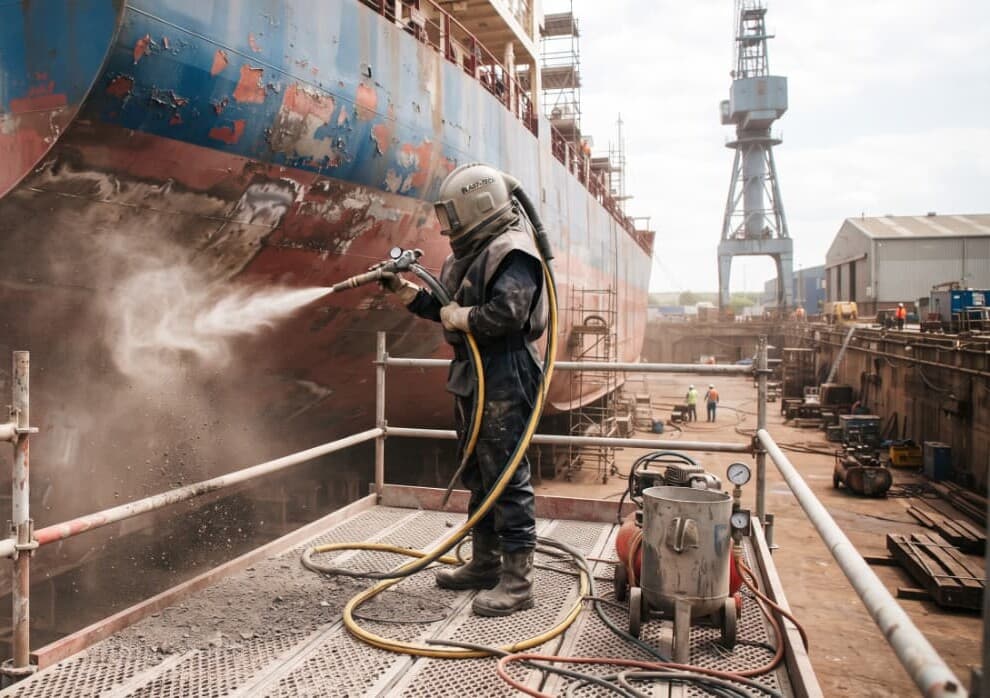
Surface preparation
Sand Blasting
Abrasive blasting that removes rust, mill scale and old coatings, checked for surface profile and cleanliness before coating.
Learn more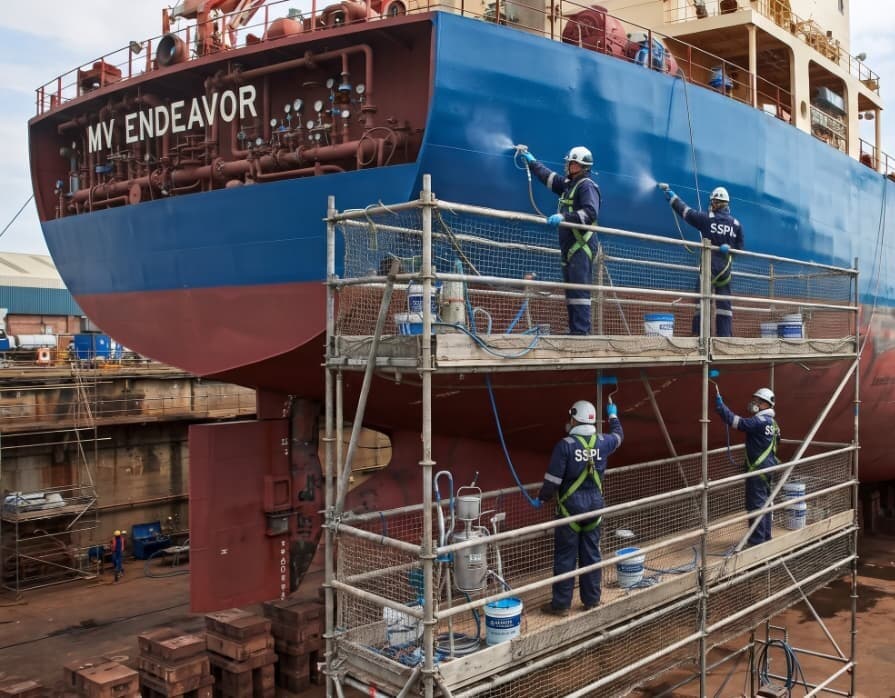
Industrial coating
Coating of Vessels
Epoxy, polyurethane, zinc-rich and internal lining systems for pressure vessels, tanks and process equipment, tested at every stage.
Learn more
Talk to us about inspection and compliance for oil and gas.