Environmental, Social and Governance
ESG audits that turn commitments into measurable results
At Steinol Solutions (Pvt.) Ltd., we provide comprehensive ESG audits that help organizations measure, manage, and report their sustainability performance with confidence.
The framework
What is Environmental, Social and Governance (ESG)?
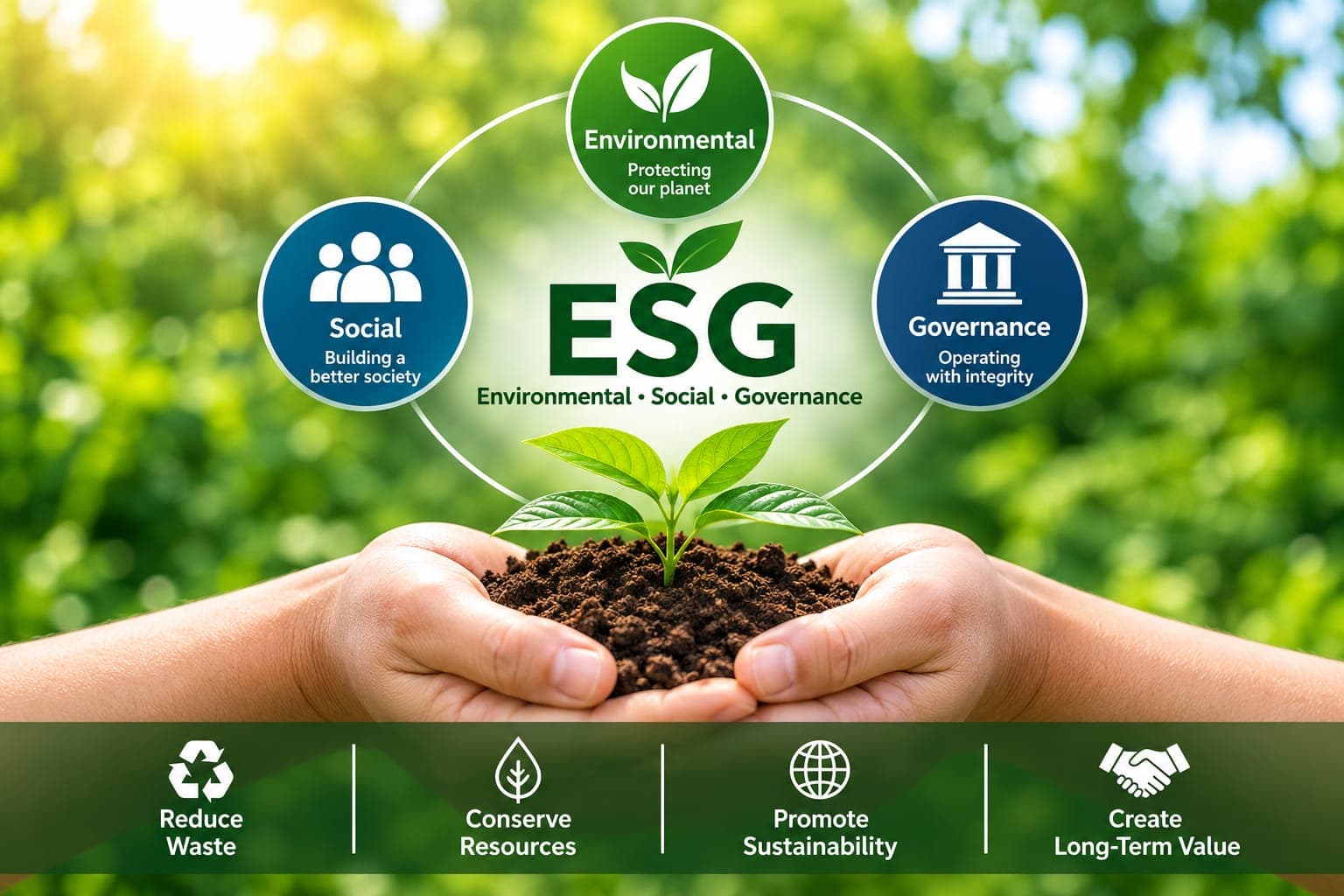
Environmental, Social and Governance (ESG) is a framework used to assess how responsibly and sustainably an organization operates beyond its financial performance. Together, its three pillars give investors, lenders, regulators, and clients a clear picture of an organization’s long-term risks, resilience, and commitment to sustainable growth.
Three pillars
What an ESG audit looks at
E
Environmental
A company’s impact on the natural world.
- Air emissions
- Carbon footprint
- Energy use
- Water consumption
- Waste management
- Pollution control
S
Social
How an organization treats its people and communities.
- Occupational health and safety
- Labour practices
- Human rights
- Community engagement
- Supply chain responsibility
G
Governance
How the company is directed and controlled.
- Board structure
- Ethics and transparency
- Anti-corruption measures
- Regulatory compliance
Our approach
Built on hands-on technical expertise
Our audits are built on hands-on technical expertise, including stack emission testing, ambient air and noise monitoring, hazardous waste assessment, and environmental compliance reviews carried out by our certified environmental laboratory.
We evaluate your operations against national regulations such as KP-EPA and Pak-EPA requirements, as well as international standards and lender expectations, to identify gaps and practical areas for improvement.
Each audit concludes with a clear, evidence-based report and actionable recommendations that support regulatory compliance, investor reporting, and access to green financing.
When you need one
Common reasons for an ESG audit
- Preparing for a sustainability disclosure
- Meeting a client’s supplier requirements
- Reporting to investors or lenders
- Seeking access to green financing
- Strengthening your corporate reputation
Talk to our team about an ESG audit.
Related
More from Environmental Services

KP-EPA certified
Waste Management
Certified by KP-EPA for transportation, handling, treatment and recycling of hazardous and non-hazardous waste.
Learn more
KP-EPA certified
E-waste Management
Safe, compliant and environmentally responsible e-waste management, from collection to material recovery and disposal.
Learn more
Environmental consultancy
Consultancy, Approvals and Audits
We guide your project through EPA approval, audit your operations, and keep you compliant afterwards.
Learn more