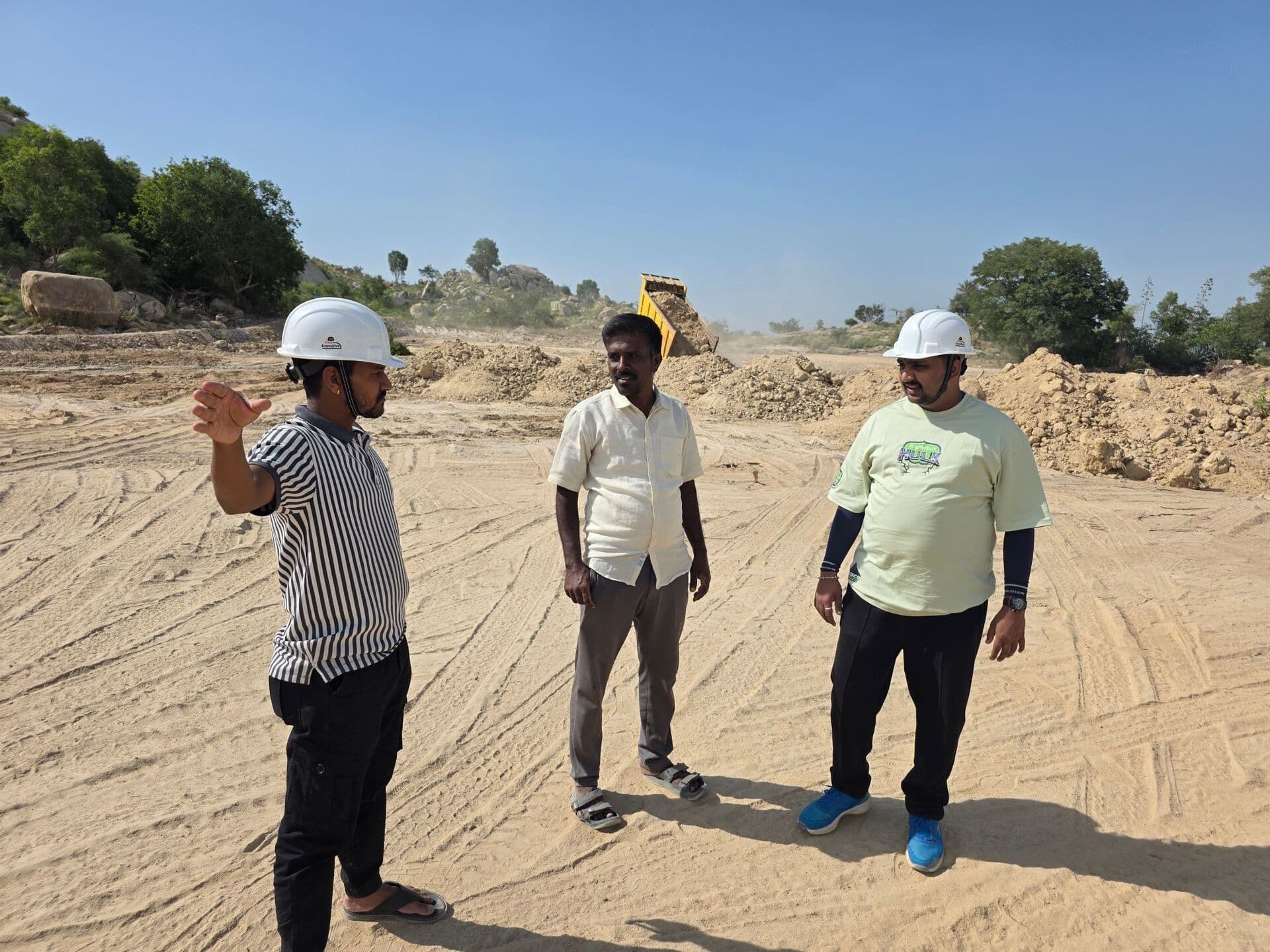
Two levels of environmental assessment
Under Pakistani law, a project that falls within the categories set by the regulations cannot begin construction or operation until it has environmental approval. The Pakistan Environmental Protection Act 1997 requires the proponent to file either an Initial Environmental Examination (IEE) or, where the project is likely to cause an adverse environmental effect, an Environmental Impact Assessment (EIA), and to obtain the agency’s approval before starting.
An IEE is a preliminary assessment for projects whose impacts are expected to be limited and manageable with standard mitigation. An EIA is a detailed study for projects that are likely to cause significant adverse effects because of their nature, scale or location. An EIA takes longer, needs more fieldwork and involves formal public participation.
Which law and which agency apply
Since the 18th Constitutional Amendment in 2010, environmental protection has largely been a provincial subject. Each province now has its own environmental protection law and agency. Projects in Khyber Pakhtunkhwa, for example, fall under the Khyber Pakhtunkhwa Environmental Protection Act 2014 and are reviewed by KP-EPA. Projects in the Islamabad Capital Territory remain under the Pakistan Environmental Protection Act 1997 and are reviewed by the Pakistan Environmental Protection Agency (Pak-EPA).
Under each law, IEE and EIA review regulations list the types of project that need an IEE and those that need an EIA, usually by sector and size, and set out the review procedure, forms, fees and time limits. Projects in or near environmentally sensitive areas can face stricter requirements. Because thresholds and procedures differ between jurisdictions and are revised from time to time, we confirm the current requirements for your project during screening rather than relying on a general rule.
IEE and EIA side by side
| Aspect | IEE | EIA |
|---|---|---|
| Purpose | Preliminary assessment of a project with limited, manageable impacts | Detailed assessment of a project likely to cause significant adverse effects |
| Baseline data | Existing data, supported by targeted site surveys | Comprehensive field surveys of the physical, ecological and social environment |
| Alternatives | Covered briefly where relevant | Systematic analysis of alternatives, including site, technology and the no-project option |
| Public participation | Consultation with affected people is good practice | Formal consultation, including a public hearing after public notice |
| Possible outcomes | Approval with conditions, or a requirement to prepare a full EIA | Approval with conditions, a request to revise and resubmit, or rejection |
From screening to approval
01
Screening
We review the project’s type, size and location, including any nearby sensitive areas, against the applicable regulations. We confirm whether it needs an IEE, an EIA or neither, and which agency will review it.
02
Scoping and baseline
We define the issues the study must cover, then collect baseline data: air quality, noise, water, soil, ecology and the socio-economic profile of nearby communities. For an EIA this means extensive fieldwork; for an IEE it is usually narrower.
03
Assessment and management plan
We predict the project’s impacts during construction and operation, assess how significant they are, and set out mitigation in an Environmental Management and Monitoring Plan (EMP) that says who does what, and when.
04
Consultation
We hold consultation and stakeholder meetings with affected people and organisations. For an EIA, a public hearing is also held after public notice, following the agency’s procedure.
05
Submission and review
The report is submitted to the EPA with the prescribed forms and fees. The agency reviews it, may visit the site or ask for more information, and we respond to its comments.
06
Decision and compliance
Approval is issued with conditions, and the proponent must meet them through construction and operation. That usually means monitoring, reporting and, where the regulations require it, confirming compliance before operation starts.
What goes into an IEE or EIA report
The exact structure is set by the applicable guidelines and by the reviewing agency, but a report typically includes:
- An executive summary
- A project description: location, layout, processes, construction activities and schedule
- The policy, legal and administrative framework
- A description of the existing environment: physical, ecological and socio-economic
- An analysis of alternatives, in more depth for an EIA
- An assessment of impacts, with mitigation measures
- A record of stakeholder consultation
- The Environmental Management and Monitoring Plan
- Conclusions and recommendations
Questions
IEE and EIA questions
Can we start site work while the IEE or EIA is under review?
No. The law requires approval before construction or operation begins, and starting early risks enforcement action by the EPA.
How long does approval take?
Review periods are set by the applicable regulations. The overall timeline also depends on when baseline surveys can be done, the quality of the report and how quickly comments are answered. We give you a realistic programme once screening is complete.
Our project is not listed in either schedule. Do we need anything?
Possibly. Requirements for unlisted projects vary by jurisdiction, and a project likely to cause adverse environmental effects may still need an assessment. Screening confirms where you stand.